When it comes to keeping your lawn green and healthy, choosing the right irrigation method is key. Two of the most common systems—drip irrigation and spray irrigation—offer distinct advantages, depending on your landscape, water needs, and long-term goals.
So, which one is better for your lawn? Let’s break down the pros, cons, and ideal use cases for both systems to help you make the right choice.
What Is Drip Irrigation?
Drip irrigation delivers water slowly and directly to the root zone of plants through a network of tubing and emitters. It’s often used in flower beds, gardens, and landscaped areas—but it can also be applied to specific areas of a lawn or to turf strips.
Pros of Drip Irrigation:
-
Extremely efficient: Reduces water loss from evaporation or runoff.
-
Targets the root zone: Encourages deeper, healthier root growth.
-
Reduces weed growth: Less water hits bare soil.
-
Works well in mulched or densely planted areas.
-
Ideal for drought-prone regions or homes under watering restrictions.
Cons of Drip Irrigation:
-
Installation is more involved.
-
Not ideal for large, open turf areas.
-
Can clog if not maintained regularly.
-
Less visual confirmation—you don’t “see” it working like a sprinkler.
What Is Spray Irrigation?
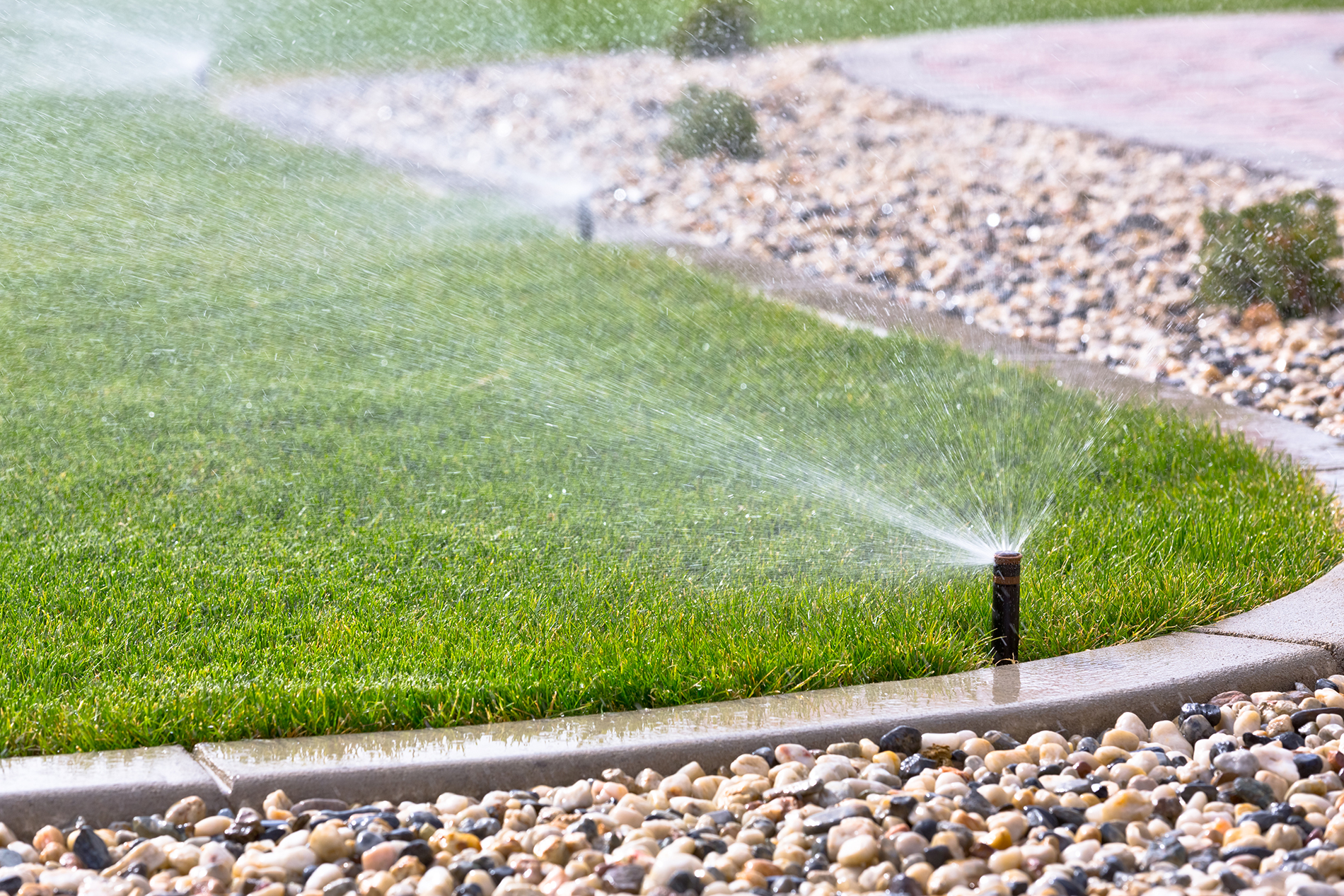
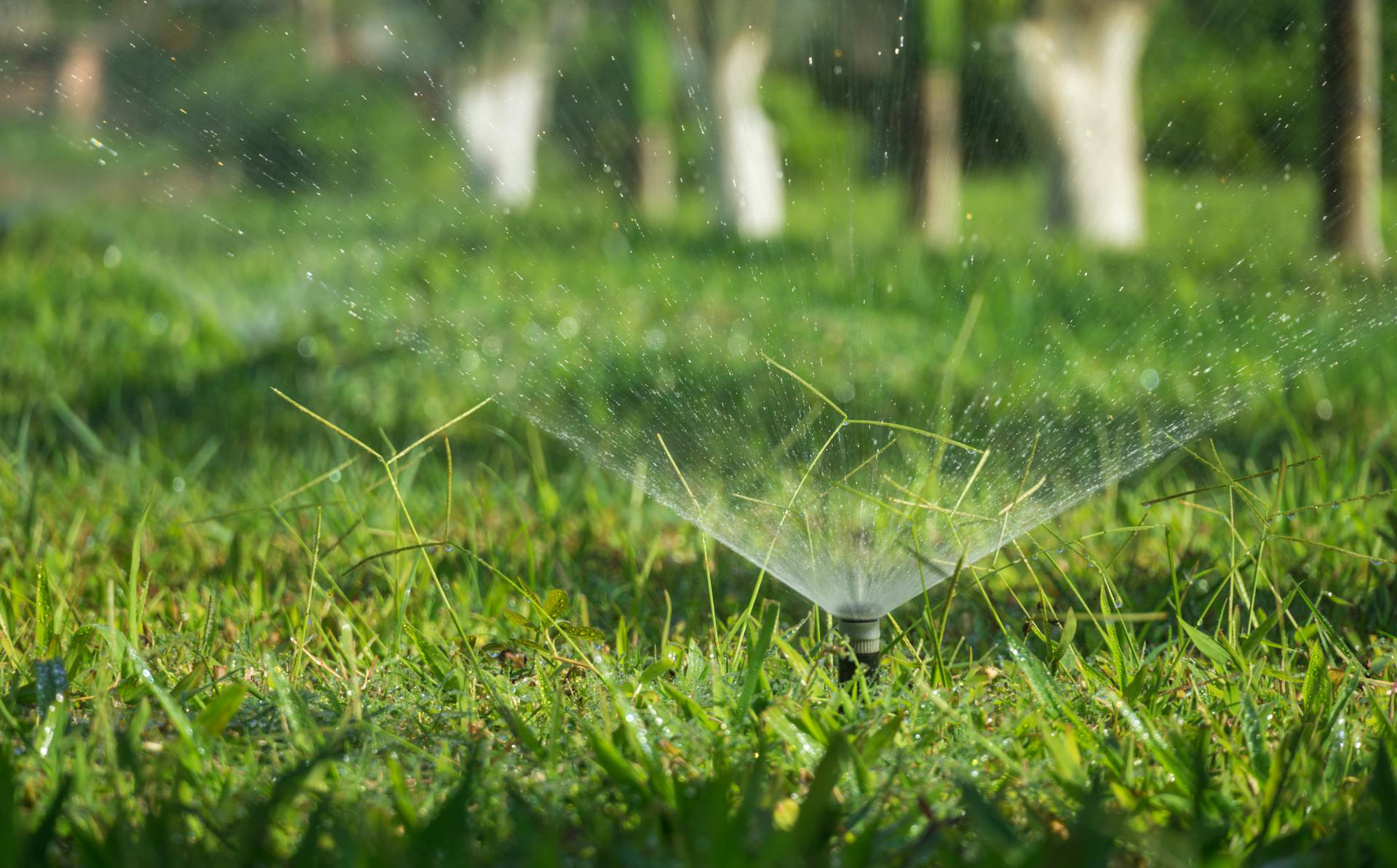
Spray irrigation, often used for lawns, uses fixed or rotating sprinkler heads to broadcast water over a wide area. It’s the traditional system most homeowners recognize.
Pros of Spray Irrigation:
-
Covers large areas quickly.
-
Ideal for wide, open lawns.
-
Easier to monitor visually—you can see it in action.
-
Great for turfgrass and uniform plantings.
Cons of Spray Irrigation:
-
Less water-efficient due to evaporation and overspray.
-
Can waste water if not properly adjusted or maintained.
-
May promote fungal diseases if watering late in the day.
-
Not great for windy areas—spray can drift off target.
Drip vs. Spray: Which Is Better?
| Feature | Drip Irrigation | Spray Irrigation |
|---|---|---|
| Water Efficiency | High | Moderate to Low |
| Ideal Use Case | Flower beds, small turf zones, gardens | Lawns, large open areas |
| Installation | More complex | Easier for full lawn coverage |
| Maintenance | Needs filter & occasional flushing | Needs head adjustment & cleanup |
| Cost | Higher upfront, more savings over time | Lower upfront, higher water bills |
| Compliance with Local Restrictions | Often approved during droughts | Sometimes restricted |
Expert Tip
Many modern irrigation systems combine both methods. Use drip irrigation in flower beds, garden borders, and plantings—and spray irrigation for the main lawn areas. This hybrid approach gives you the best of both worlds: water efficiency and full coverage.
Final Thoughts
There’s no one-size-fits-all answer—the best system depends on your lawn’s layout, local climate, and how much water efficiency matters to you. If you’re unsure what system is right for your property, an irrigation specialist can assess your landscape and recommend a customized solution.