
Winter is often when homeowners take a closer look at their household expenses. Utility bills, maintenance costs, and plans for the upcoming year all come under review. While your irrigation system may be shut down for the season, winter is actually the perfect time to evaluate whether it’s costing you more water — and money — than it should.
Many homeowners are surprised to learn just how much water inefficient irrigation systems waste every year, especially older systems that haven’t been updated or properly maintained.
The Hidden Cost of Irrigation Inefficiency
An inefficient irrigation system doesn’t just waste water — it can quietly drive up your water bills, damage your lawn, and shorten the lifespan of system components. Because these problems often develop gradually, they’re easy to overlook until they become expensive repairs in spring.
Older irrigation systems are particularly prone to inefficiencies because they were designed before today’s water-saving technology and best practices.
Common Inefficiencies in Older Irrigation Systems
If your irrigation system is more than 8–10 years old, there’s a good chance it includes one or more of these common issues:
1. Outdated Controllers Without Weather Adjustment
Older controllers run on fixed schedules, regardless of rainfall, temperature, or soil conditions. This often leads to:
-
Overwatering after rain
-
Watering during cooler, low-evaporation periods
-
Unnecessary water use throughout the season
Modern smart controllers automatically adjust watering based on local weather data, significantly reducing waste.
2. Inefficient or Mismatched Sprinkler Heads
Older spray heads may:
-
Apply water unevenly
-
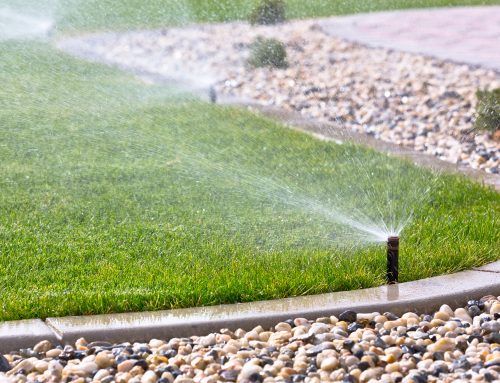
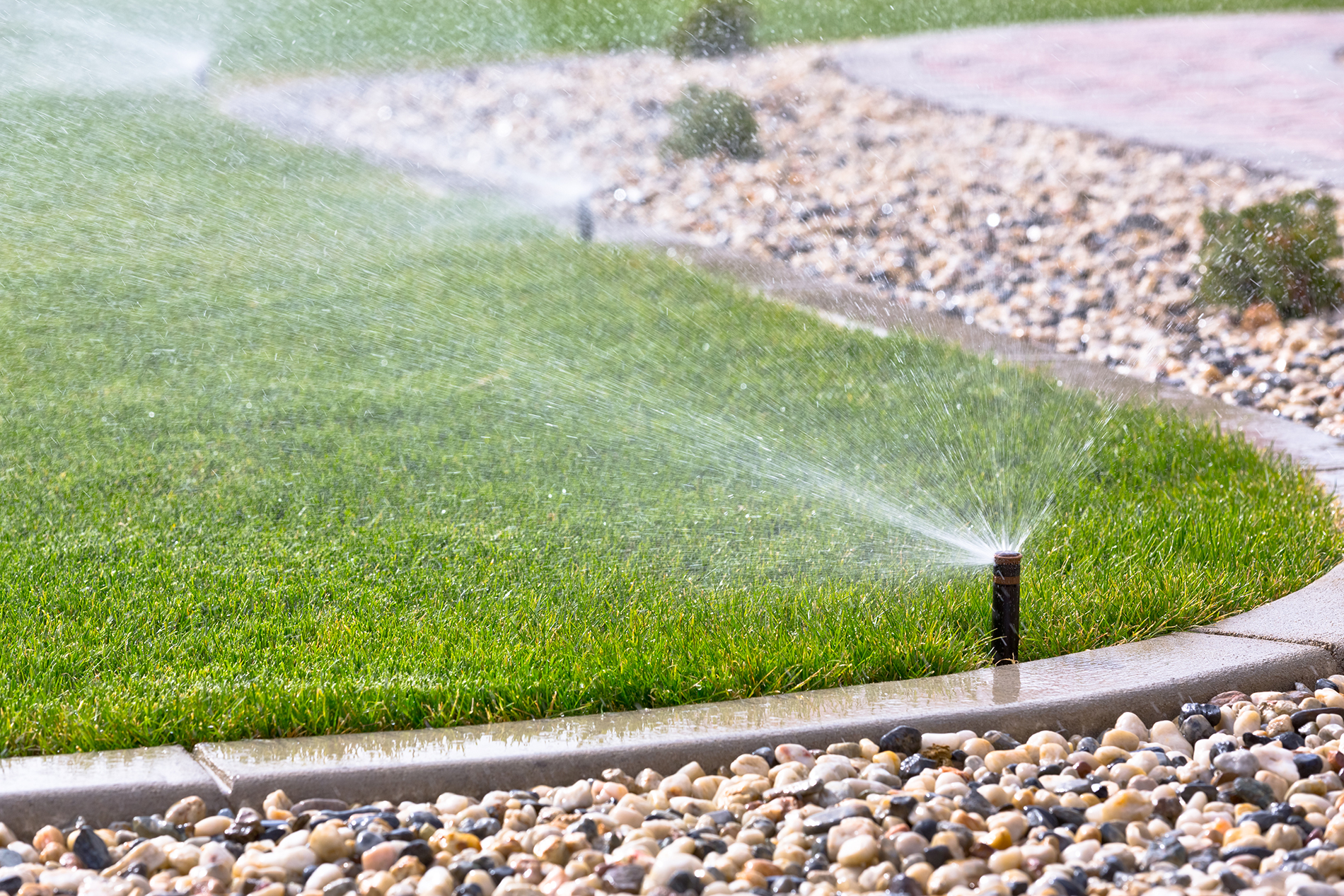
Create overspray onto driveways and sidewalks
-
Deliver water faster than soil can absorb
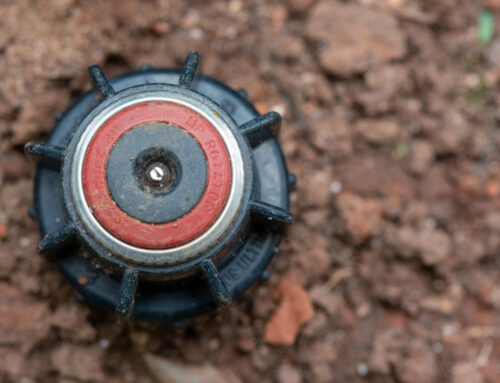
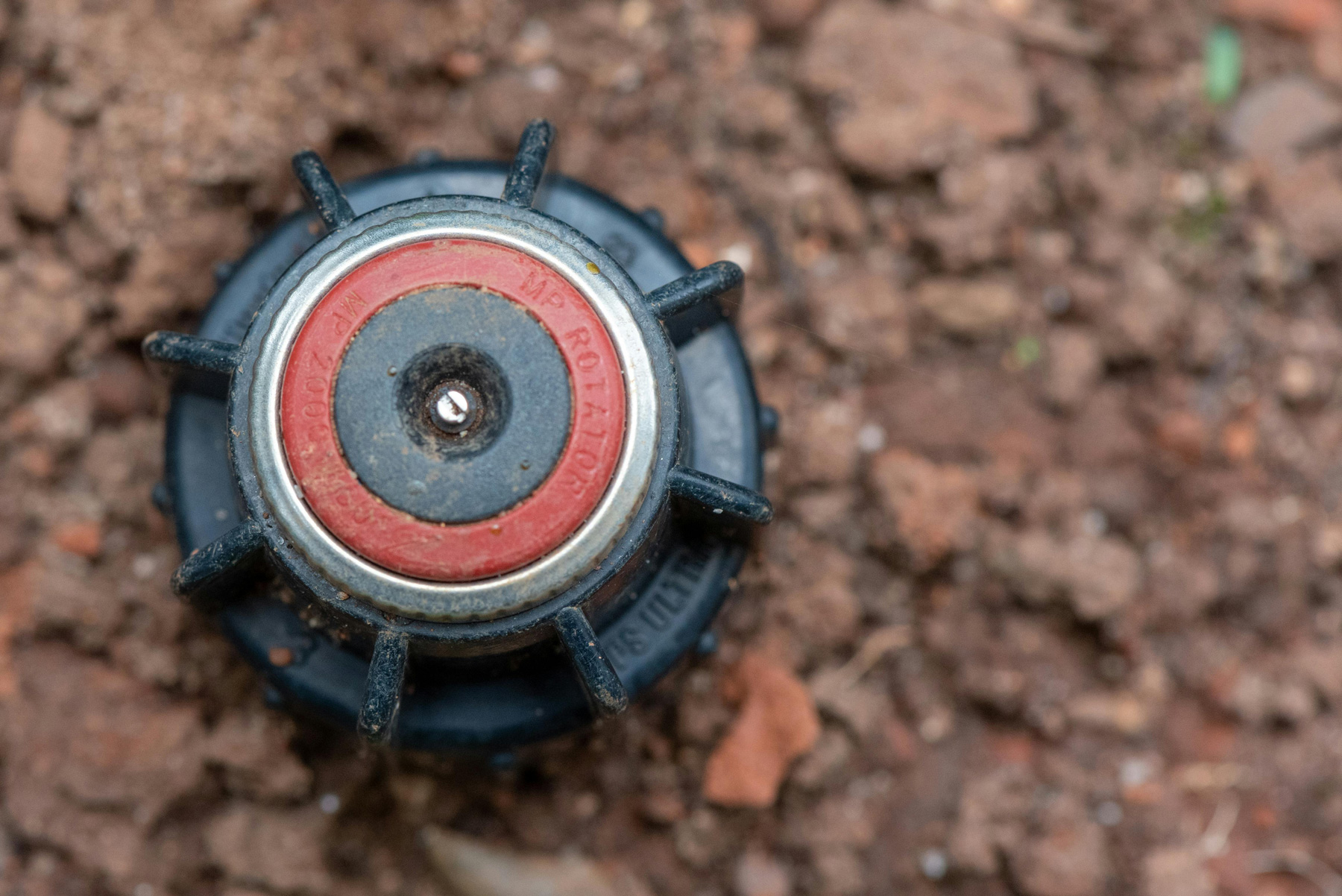
This results in runoff, wasted water, and stressed turf. Today’s high-efficiency heads and rotators apply water more slowly and evenly.
3. Poor Zone Design
Many older systems weren’t designed with plant needs in mind. Lawns, shrubs, and flower beds are often grouped into the same zones, even though they require different amounts of water. This leads to:
-
Overwatering some areas
-
Underwatering others
-
Higher overall water usage to compensate
4. Pressure Problems
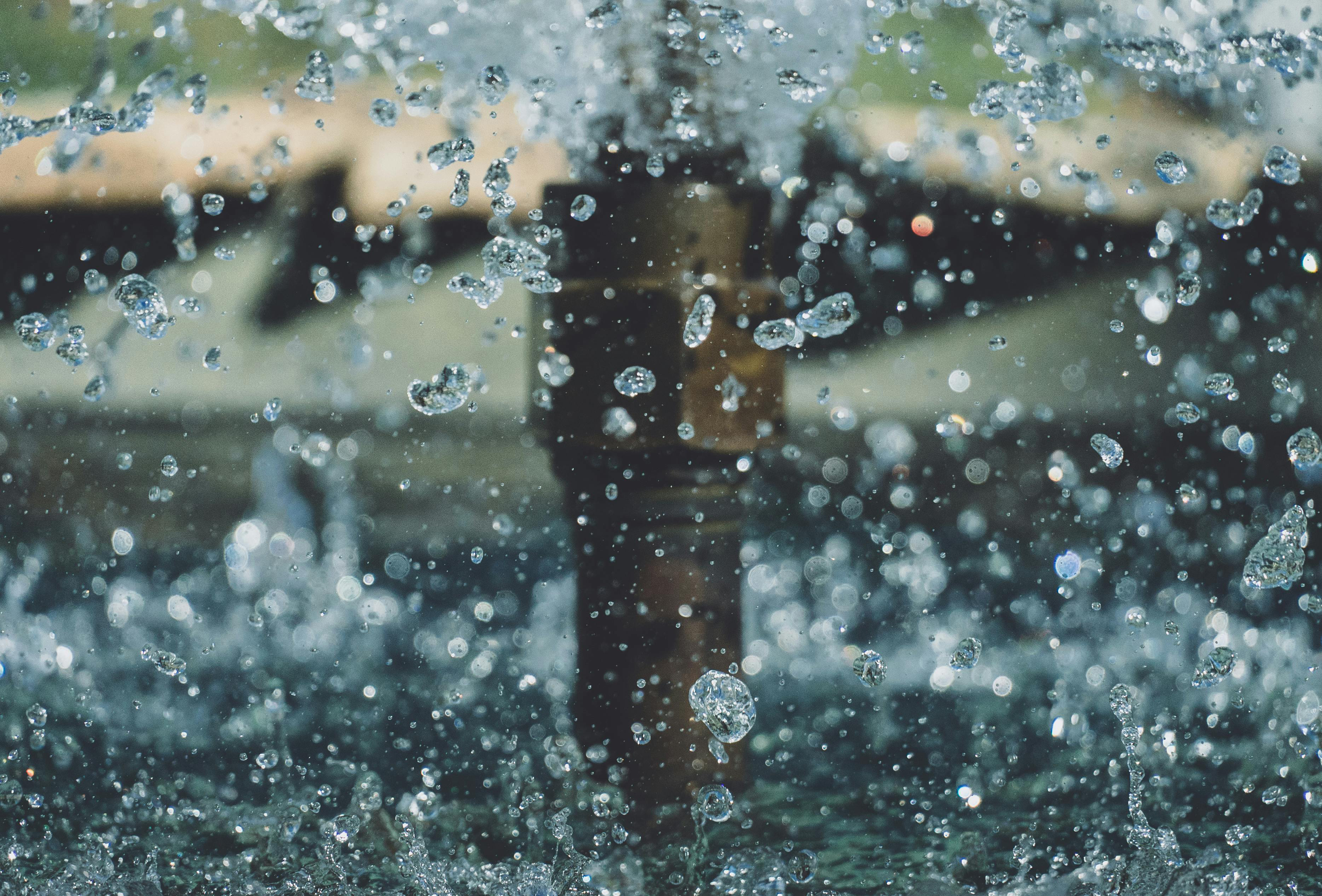
Improper water pressure is a major source of waste. High pressure causes misting and overspray, while low pressure leads to uneven coverage. Older systems often lack proper pressure regulation, which means water is lost before it ever reaches the lawn.
5. Small Leaks That Go Unnoticed
Tiny leaks in pipes, fittings, or valves may not be visible at the surface, but over time they can waste hundreds — or even thousands — of gallons of water. These issues often remain hidden until the system is pressurized again in spring.
What Does This Mean for Your Water Bill?
Even minor inefficiencies can add up quickly over a full irrigation season. An outdated or poorly designed system may use 20–40% more water than necessary. Over time, that means:
-
Higher monthly water bills
-
Increased wear on system components
-
Greater risk of costly repairs
Addressing these issues before the season starts can lead to noticeable savings and better lawn health.
Why Winter Is the Best Time to Plan Improvements
While your system isn’t running in winter, this is the ideal time to:
-
Review past water bills
-
Identify inefficiencies before spring startup
-
Plan upgrades without peak-season scheduling delays
A professional irrigation inspection or system evaluation can identify outdated components, inefficient design, and opportunities for improvement. Making adjustments before spring ensures your system is ready to operate efficiently from day one.