
Why Planning Your Irrigation System Matters
A professionally planned irrigation system is the key to a healthy lawn and efficient water use.
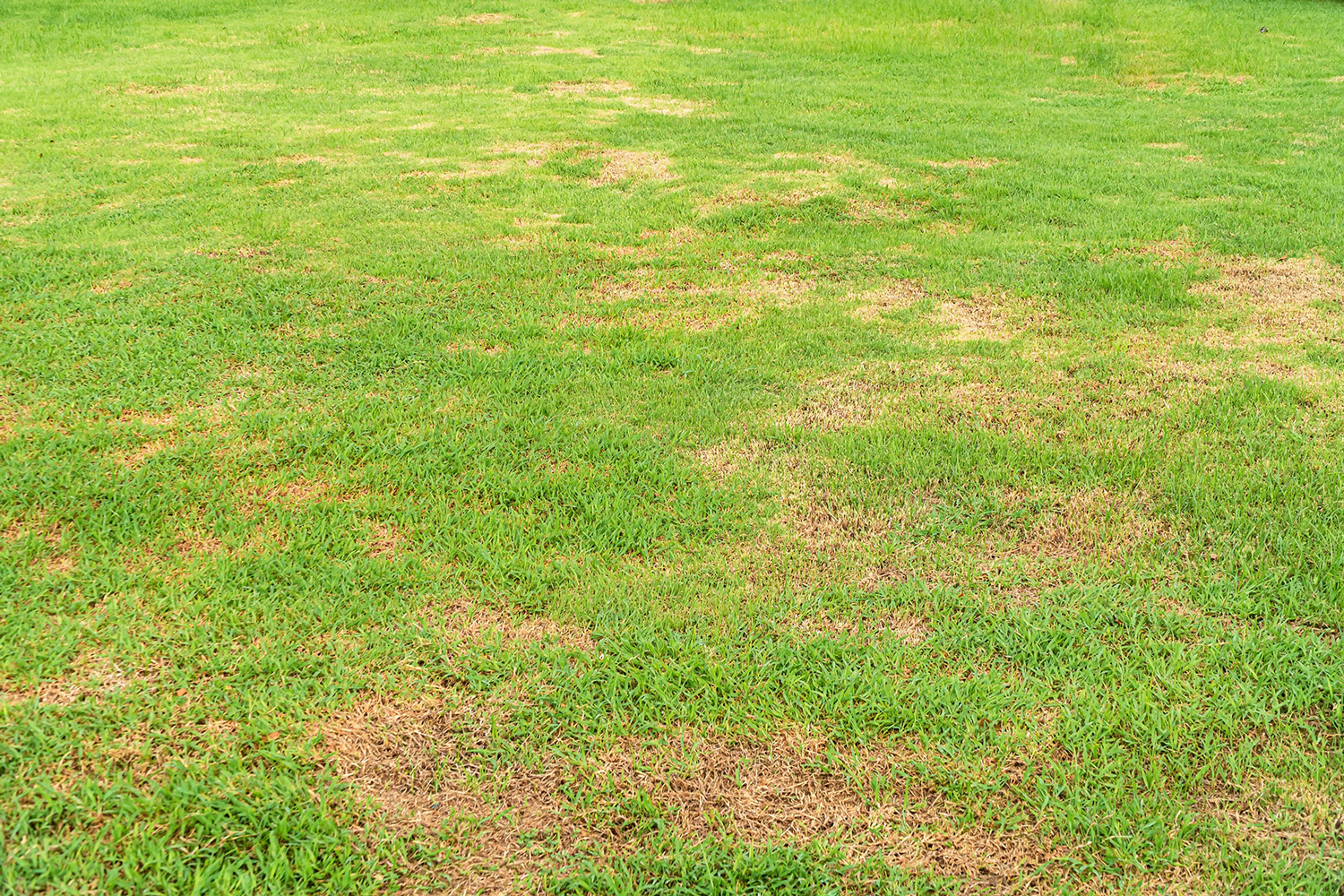
Without proper planning, homeowners often face uneven watering, wasted water, and high utility bills.
Proper planning of your new irrigation system ensures every sprinkler head, valve, and zone is optimized for your property’s specific needs.
In New England — where weather patterns swing between wet springs and dry summers — having a well-designed residential irrigation system makes all the difference. Proper planning helps ensure your system adapts to the local climate while keeping your lawn lush year-round.
Step 1: Assess Your Lawn and Landscape
Before any pipes go in the ground, start by assessing your property:
- Measure and map your lawn: Identify turf areas, gardens, and shaded zones.
- Check soil type: Sandy soil needs shorter, frequent watering; clay soils need slower, deeper watering.
- Test water pressure and flow rate: Proper pressure ensures uniform distribution.
- Note sun and slope patterns: These factors determine zone layout and sprinkler spacing.
A professional irrigation contractor will map out your lawn and design zones for precise watering based on plant type and sun exposure.
Step 2: Choose the Right Irrigation System Type
The design phase is the backbone of planning a new irrigation system installation.
Your irrigation contractor will determine the number of zones, sprinkler head types, and controller settings to match your property’s needs.
Common residential irrigation options:
- Spray systems: For smaller lawns and tight landscapes.
- Rotor systems: Ideal for large, open areas needing longer coverage.
- Drip irrigation: Perfect for flowerbeds, gardens, and foundations.
- Smart irrigation systems: Automatically adjust watering schedules based on weather and soil data.
Pro Tip: Combining drip zones for plant beds and rotor heads for lawns gives homeowners the most efficient water coverage.
Step 3: Smart Irrigation Controllers & Sensors
Integrating smart controllers and moisture sensors is one of the best upgrades you can make when planning new irrigation system installation.
Smart systems can:
- Adjust watering schedules automatically for rain or humidity.
- Save up to 30% on water bills.
- Provide mobile app control for easy scheduling and monitoring.
At Green Lawn Irrigation, we install Hunter Hydrawise and Rain Bird smart controllers, which are ideal for residential use in Fairfield and New Haven Counties.
Step 4: Choose Professional Installation
DIY irrigation can lead to incorrect zoning, poor pressure balance, or leaks. A professional installation ensures:
- Precise trenching and pipe placement.
- Proper zone configuration.
- Calibrated water pressure and flow.
- Compliance with Connecticut backflow prevention regulations.
Our certified technicians handle every step — from permitting to programming — so your system performs flawlessly from day one.
Step 5: Maintenance and Seasonal Planning
After installation, regular maintenance keeps your new irrigation system working efficiently all year long.
- Spring Start-Up: Test heads, adjust spray patterns, and check controllers.
- Summer Check-Up: Look for leaks, clogs, and uneven watering.
- Fall Winterization: Drain and blow out lines to prevent freeze damage.
We recommend scheduling seasonal irrigation services to protect your investment and ensure consistent lawn health.
FAQs
How long does irrigation system installation take?
Most residential systems take 1–3 days, depending on yard size, number of zones, and complexity.
What’s the best time to install a sprinkler system?
Spring and early fall are ideal in Connecticut, when soil is soft and temperatures are usually mild.
How much does a new irrigation system cost?
For most homes in Fairfield or New Haven County, expect to spend on average $3,000–$6,000 depending on lot size and smart controller features.
Should I install smart irrigation technology?
Yes. Smart irrigation controllers adjust watering automatically, saving water and preventing over- or under-watering.