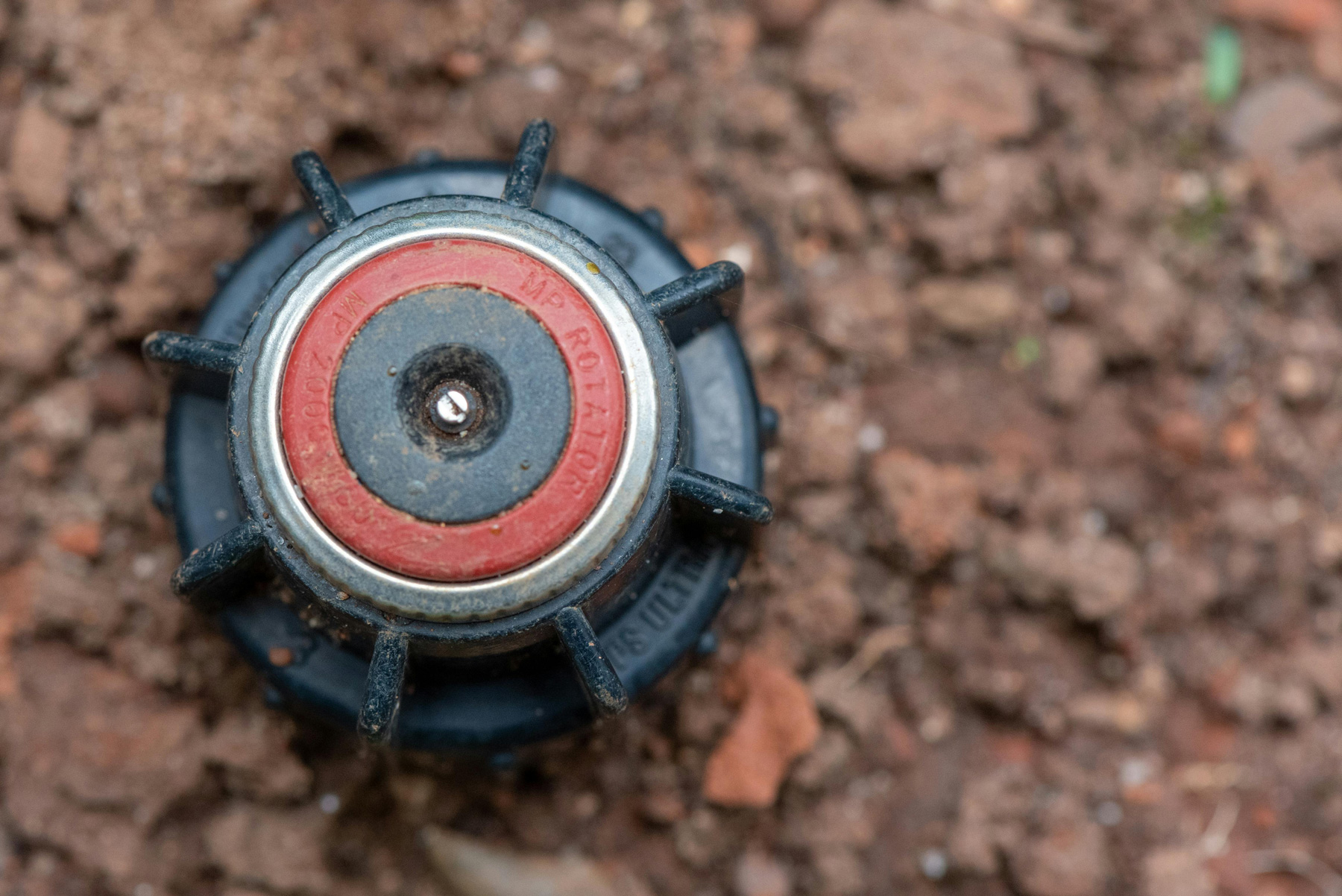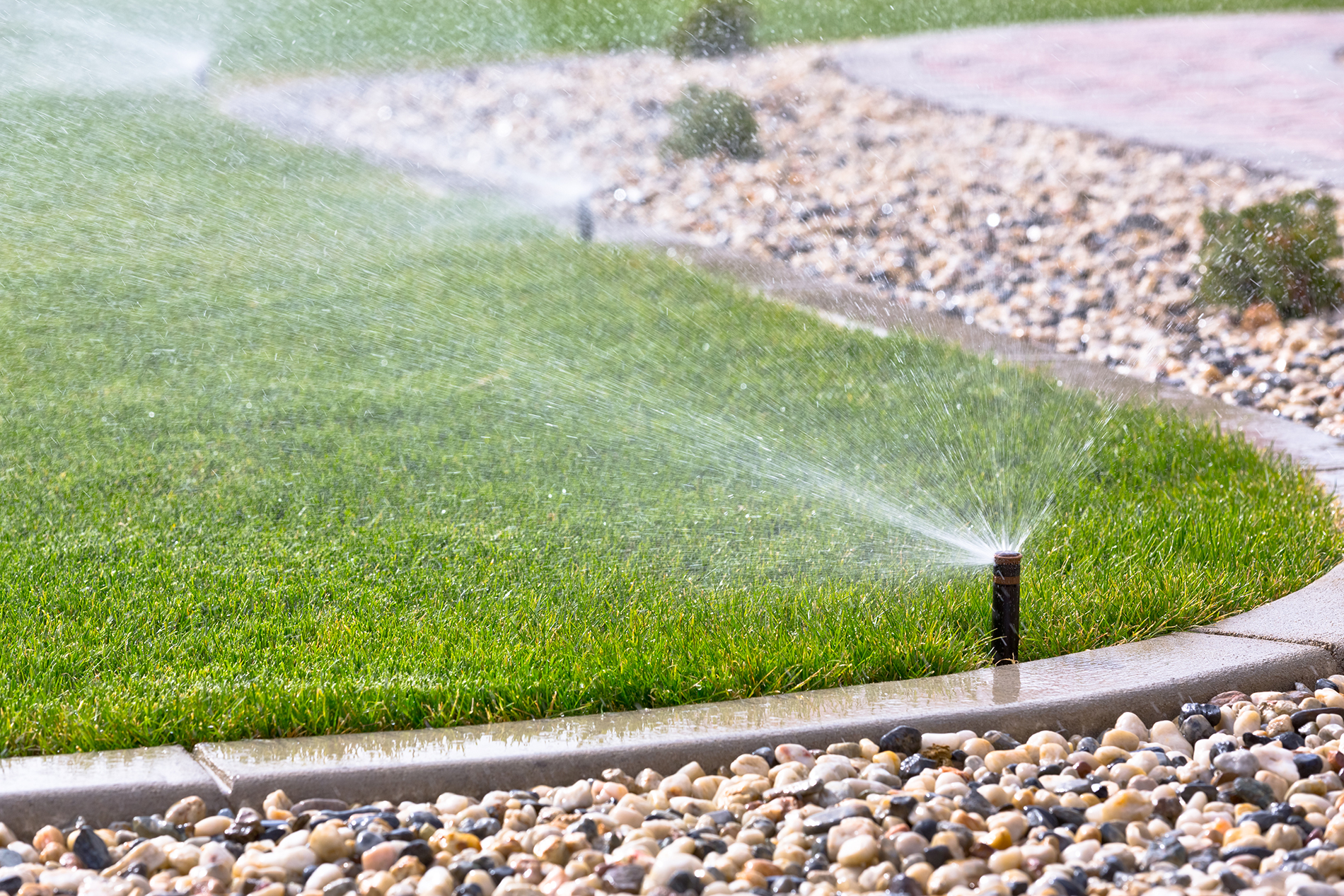

When fall arrives and the growing season slows down, it’s tempting to simply turn off your sprinklers and forget about them until spring. But skipping proper winterization could leave your irrigation system vulnerable to serious (and expensive) damage. If you’ve ever wondered, “Why do I need to winterize my irrigation system?” — here’s what you should know.
The Risk of Freezing Temperatures
Irrigation systems are designed to deliver water underground and across your lawn. But when cold weather hits, any water left in pipes, valves, or sprinkler heads can freeze. Since water expands as it turns to ice, this creates pressure inside your system that can crack pipes, break fittings, and destroy sprinkler heads.
What looks like a harmless bit of leftover water in the fall can turn into a costly repair bill in the spring.
Protecting Your Investment
An irrigation system is a major investment in your home and landscaping. Winterizing is the simplest way to:
-
Prevent burst pipes and water line damage.
-
Extend the lifespan of your sprinklers and valves.
-
Avoid costly spring repairs when you need your system most.
-
Save money on water bills by preventing hidden leaks from freeze damage.
Why DIY Draining Isn’t Enough
Some homeowners think turning off the water supply is enough, but that still leaves water sitting in underground lines. The safest method is a professional “blowout,” where technicians use specialized equipment to clear every pipe, valve, and sprinkler head. Done correctly, it ensures your system is completely protected against freezing temperatures.
The Right Time to Winterize
You should schedule your irrigation winterization before the first hard freeze in your area. Waiting too long can expose your system to damage, while shutting down too early might deprive your lawn of much-needed late-season watering. A professional can help you pick the right time based on local weather conditions.