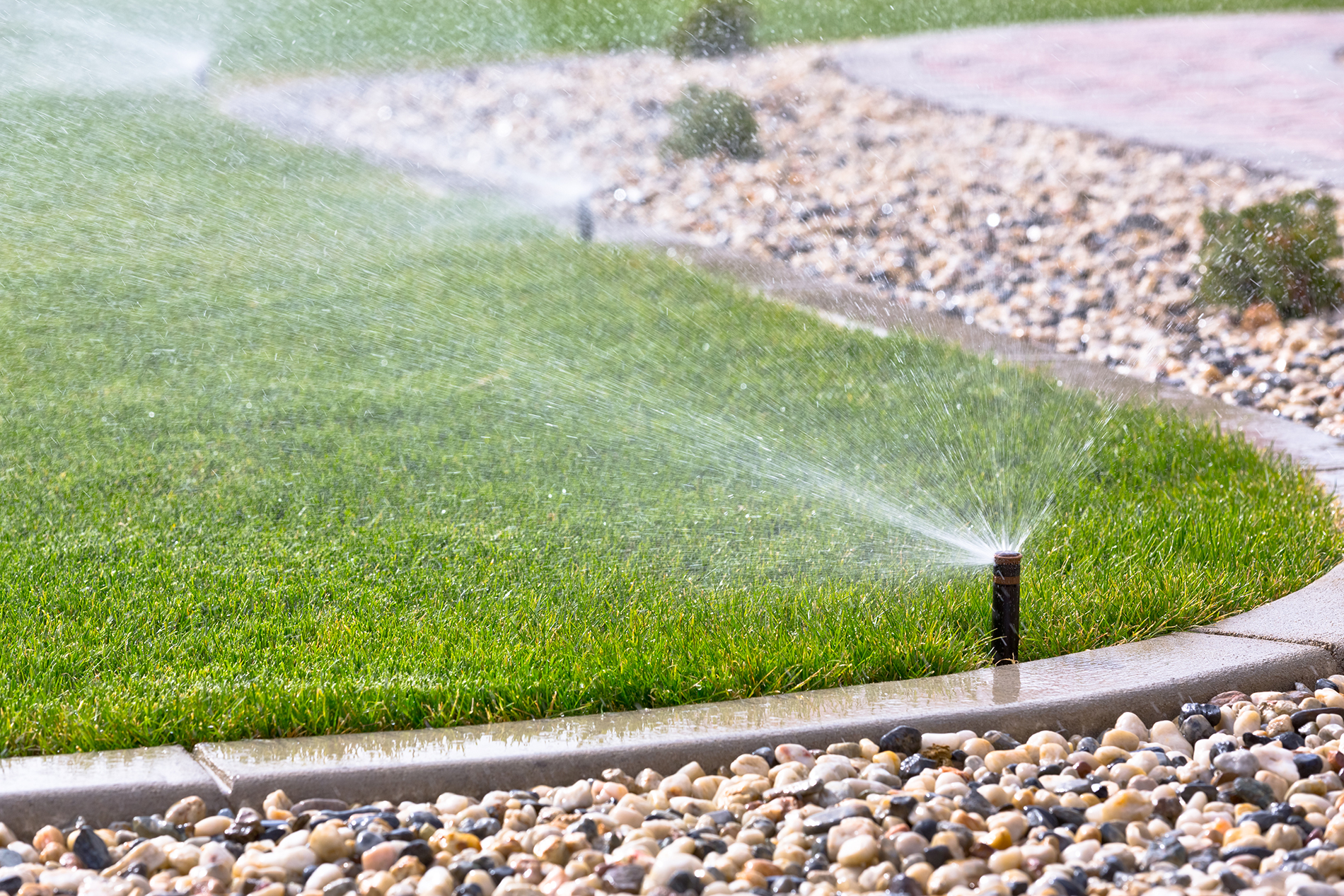
Summer is the season when irrigation systems are working their hardest. High temperatures, longer daylight hours, and inconsistent rainfall all put added demand on your lawn’s watering needs. As a company that works closely with irrigation systems every day, we often see the same issues arise year after year during the summer months.
Here are some of the most common warm-weather irrigation problems—and a few practical ways to prevent them.
1. Brown Patches in the Lawn
What causes it:
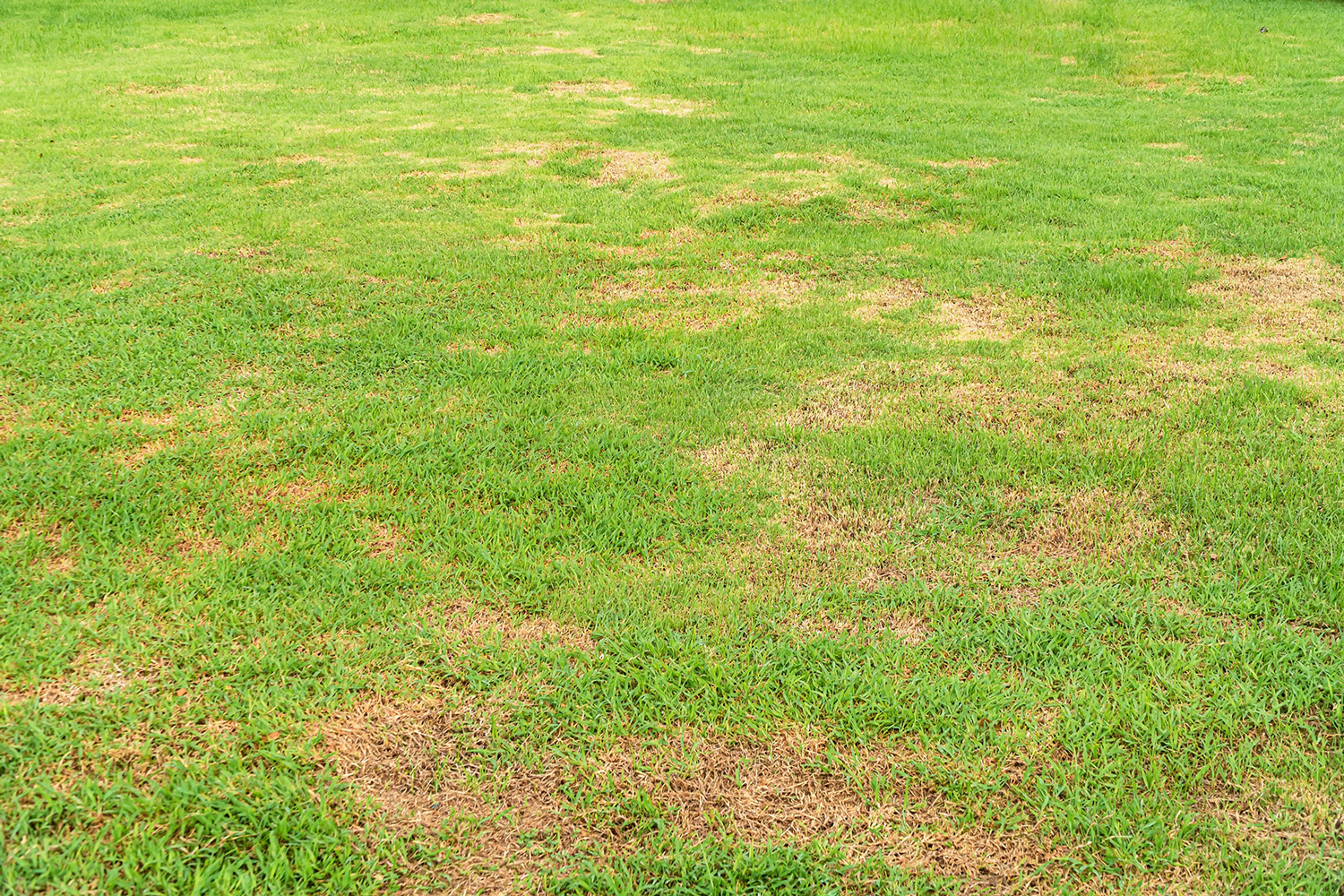
Brown patches in the lawn can be caused by a variety of issues. Dry or under watered areas can cause brown patches in your lawn. When a lack of water is the issue there is typically an obvious pattern that appears that a trained eye can decipher. Some other common items that create brown patches are as follows: hot patio stones, hot car engines, curbs, underground objects like drainage lines or ledges close to the surface. Reflected light on an extremely hot day can cause damage as well. Insects, like grubs and chinch bugs can weaken plants and cause well watered areas to turn brown and die. Fungus can spread rapidly when conditions are right for fungal growth and cause large brown areas.
How to prevent it:
This depends on the cause of the dry/brown patch. Homeowners can take action by–
- Being mindful of heat-absorbing surfaces
- Checking for underground obstructions
- Ruling out pests and disease
2. Overwatering
What causes it:
It’s easy to assume that hot weather means watering more frequently, but overwatering can cause shallow roots, promote fungal growth, and increase water runoff and waste.
How to prevent it:
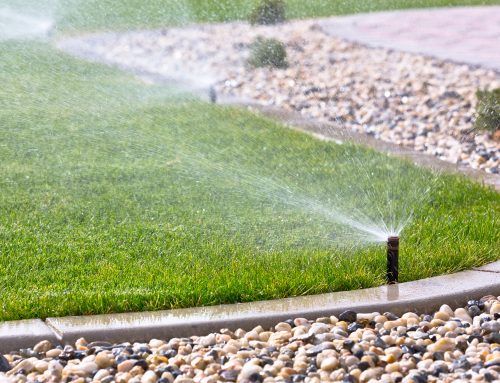
- Water early in the morning, when evaporation is low.
- Use fewer, deeper watering cycles rather than frequent short ones.
- Take rainfall into account when scheduling watering.
- Consider installing a rain sensor or moisture-based controller if your system doesn’t already have one.
3. Leaks in the System
What causes it:
Heat and pressure changes can lead to pipe expansion and stress on fittings, especially in older systems. Leaks might not always be obvious, but they can significantly reduce efficiency.
How to prevent it:
- Walk your yard occasionally and look for soggy areas, standing water, or unusually green patches.
- Keep an eye on your water bill—sudden spikes may indicate a hidden leak.
- Check valve boxes and connections for signs of moisture.
4. Damaged Sprinkler Heads
What causes it:
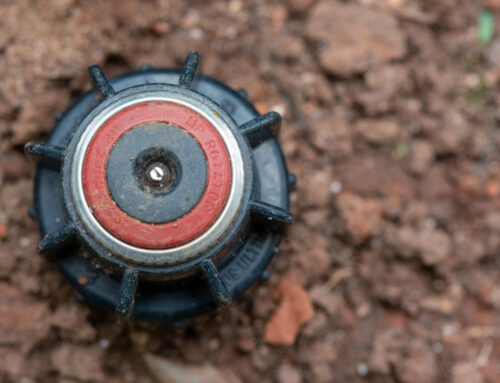
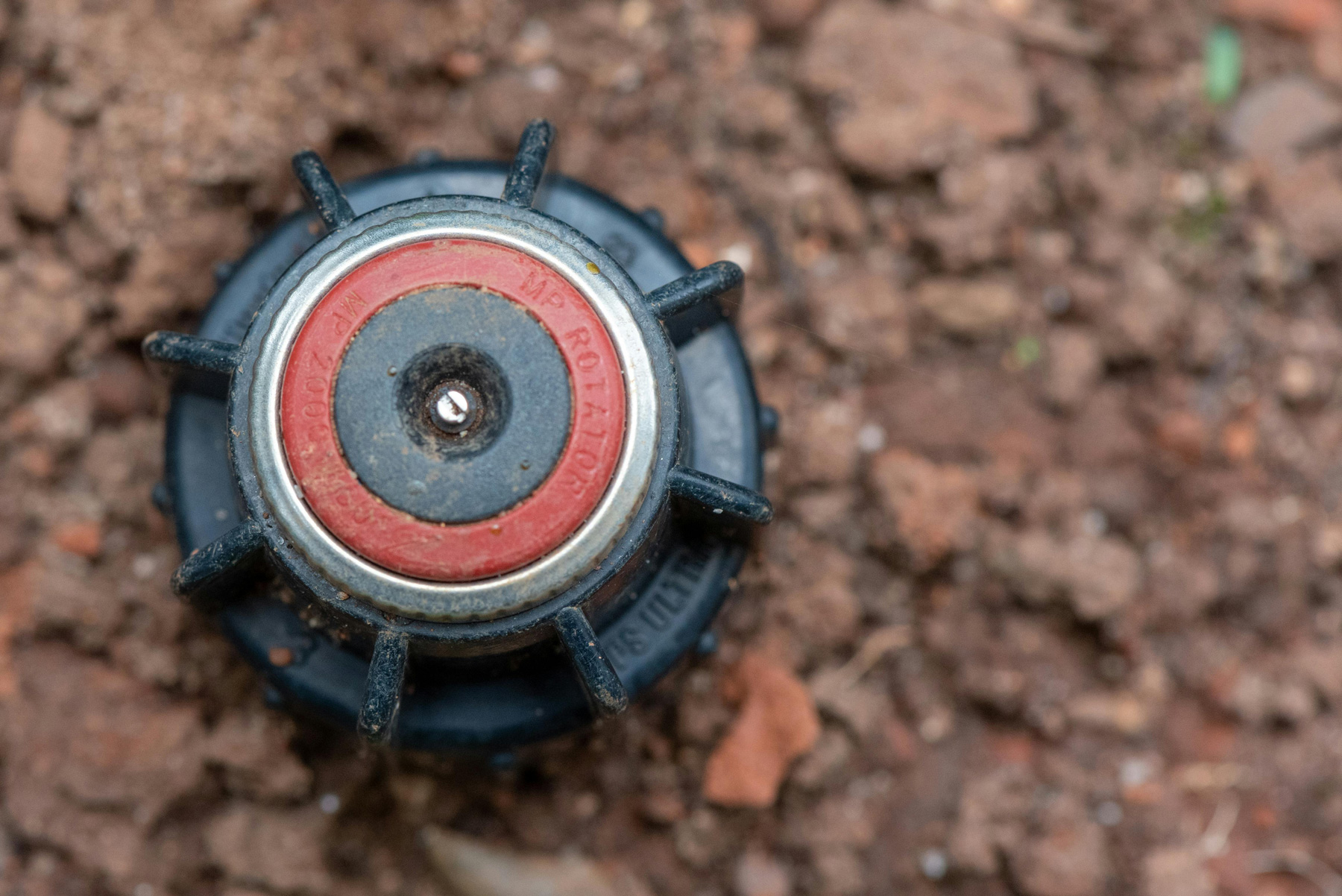
Sprinkler heads can be damaged by foot traffic, lawn equipment, or shifting soil. A broken or tilted head can disrupt coverage and waste water.
How to prevent it:
- Inspect heads regularly, especially after mowing or yard work.
- Make sure heads are flush with the ground and aligned correctly.
- Replace broken parts promptly to avoid compounding problems.
5. Inefficient Watering Schedules
What causes it:
During hot weather, watering at the wrong time of day or too frequently can lead to waste and plant stress.
How to prevent it:
- Set your system to water in the early morning hours (typically between 4 a.m. and 9 a.m.).
- Avoid watering during the heat of the day, when most of the water will evaporate.
- Adjust your schedule based on rainfall, temperature, and seasonal needs.
6. Clogged Nozzles and Filters
What causes it:
Sediment, dirt, and hard water can clog nozzles and filters, reducing system performance and leading to uneven watering.
How to prevent it:
- Clean nozzles with water and a soft brush if spray patterns seem off.
- Flush the system at the start of the season to clear debris.
- Use filters or screens in areas with heavy sediment or poor water quality.
Summer brings plenty of challenges for irrigation systems, but most problems are easy to spot and prevent with a bit of routine observation and seasonal maintenance. A few simple checks throughout the season can go a long way toward keeping your system efficient and your landscape healthy.
If you manage your own system, take a few minutes each month to observe its operation. Noticing small issues early—like a tilted head or inconsistent spray—can help you avoid bigger headaches later on.