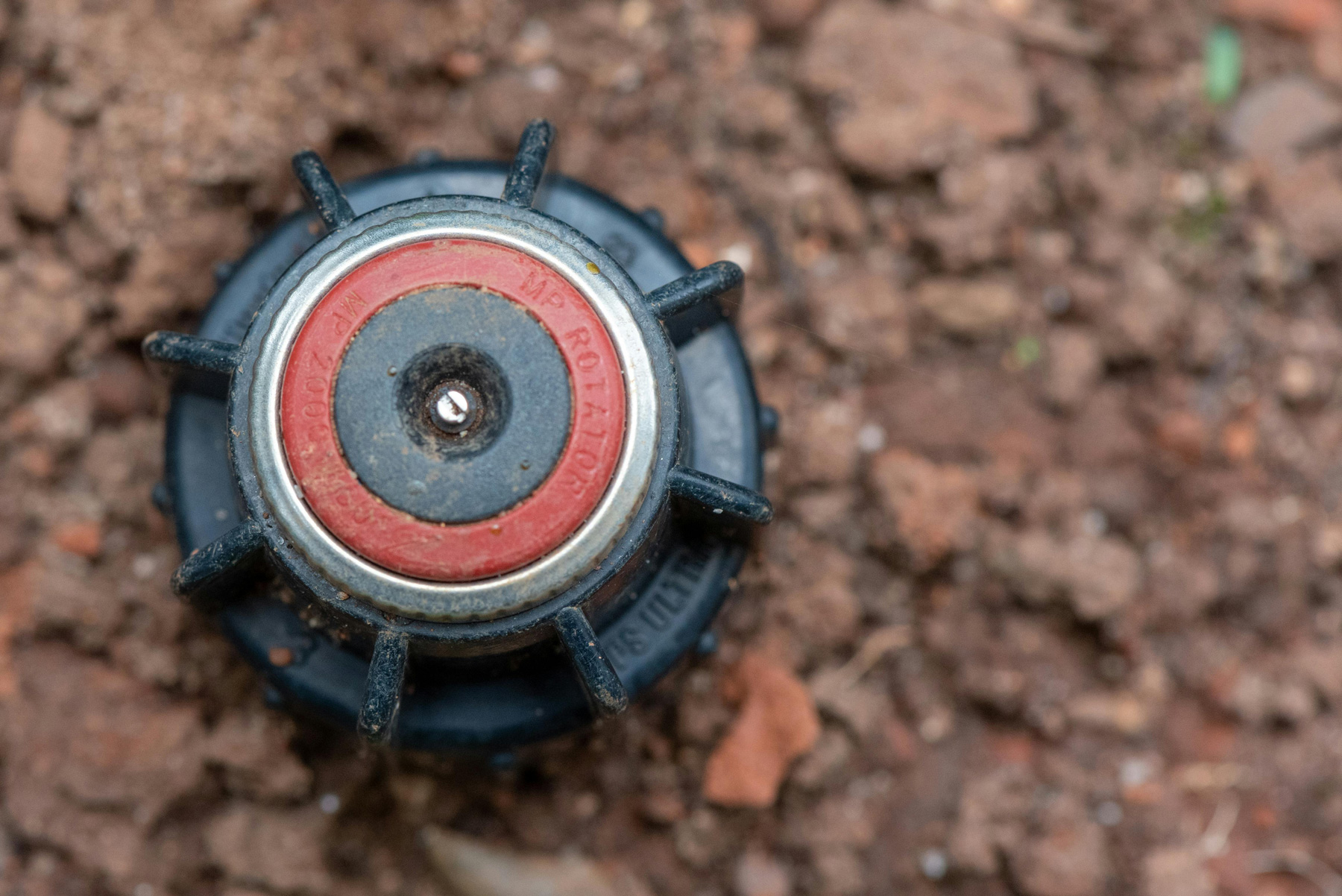
When homeowners consider installing or upgrading an irrigation system, one of the first questions is whether to handle it themselves or bring in a professional. Both options can work depending on the situation, but they differ significantly in terms of design, efficiency, and long-term performance.
Understanding these differences can help you choose the approach that best fits your property, goals, and comfort level.
What DIY Irrigation Systems Offer
DIY irrigation systems are widely available and often designed for straightforward installation. They can be a practical option in certain situations, especially when the setup is relatively simple.
DIY systems are often used for:
- Small lawns or garden beds
- Temporary or seasonal watering
- Basic drip irrigation setups
They typically appeal to homeowners who prefer hands-on projects or want flexibility in timing and installation.
Where DIY Systems Can Become Challenging
While DIY systems can work well in simple applications, larger or more complex properties often introduce challenges that require more detailed planning.
System Design and Coverage
Effective irrigation depends on delivering the right amount of water to each area of your landscape. Without careful planning, systems can result in:
- Uneven watering patterns
- Dry spots in some areas and excess water in others
- Inefficient water use overall
Factors such as soil type, sun exposure, slope, and plant type all influence how a system should be designed.
Water Pressure and Flow Balance
Water pressure plays a major role in how an irrigation system performs.
- High pressure can cause misting and water loss
- Low pressure can lead to poor coverage
- Inconsistent pressure across zones affects performance
Balancing pressure across a system requires careful planning and sometimes additional components.
Sprinkler Placement and Spacing
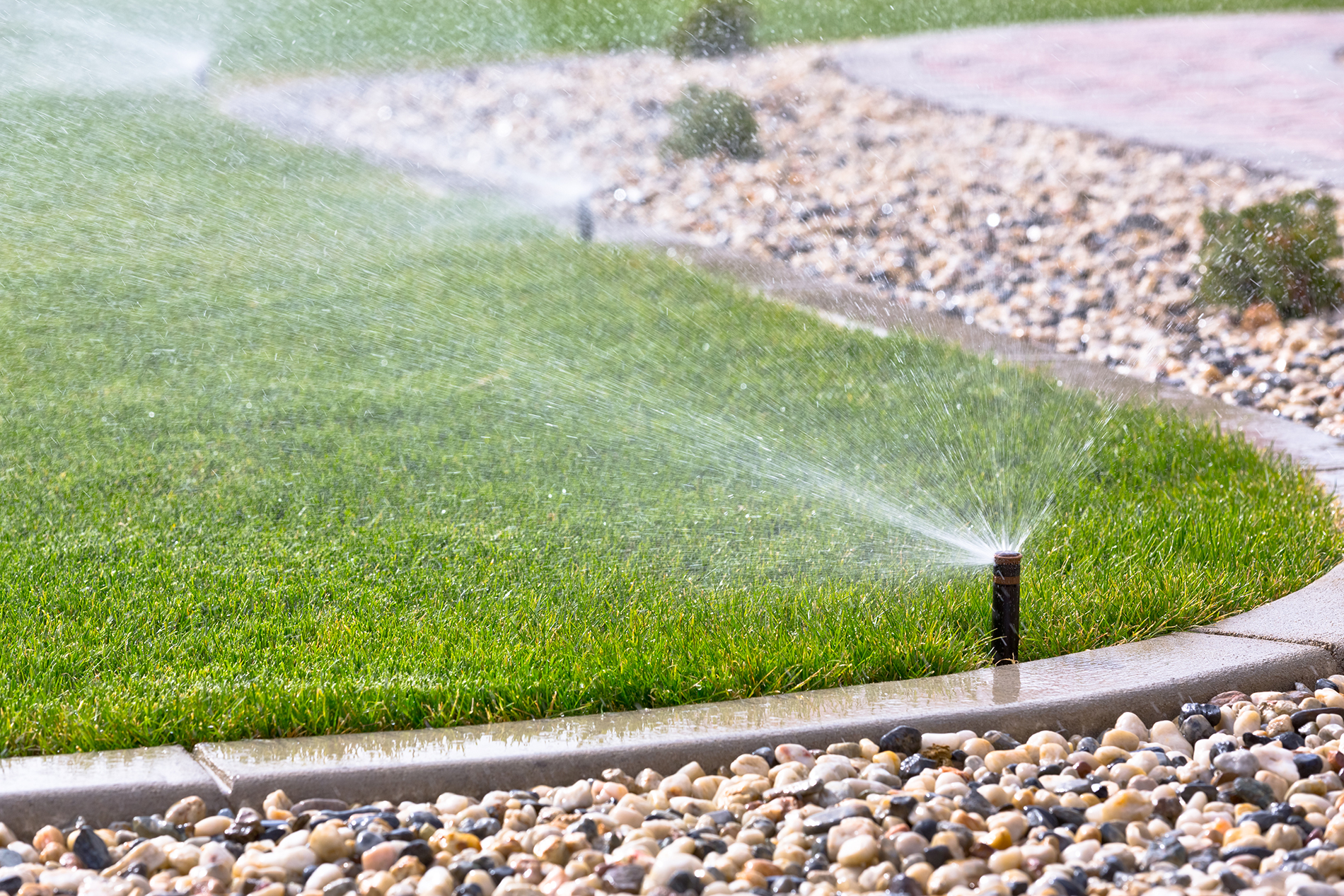
Placement affects both coverage and efficiency. Improper spacing can lead to:
- Overspray onto sidewalks or driveways
- Overlapping spray patterns that waste water
- Gaps where areas are under-watered
Achieving even distribution across a lawn requires thoughtful layout.
Installation Details and Durability
Irrigation systems involve underground piping, fittings, and connections. Small installation mistakes can lead to:
- Hidden leaks
- Reduced system efficiency
- Premature wear on components
These issues may not be visible immediately but can develop over time.
Technology and System Optimization
Modern irrigation systems often include features such as:
- Smart controllers
- Weather-based scheduling
- Rain sensors
These tools can improve efficiency, but they require proper setup and calibration to work as intended.
What Professional Irrigation Services Typically Include
Professional irrigation services focus on system design, installation, and long-term performance. They generally involve:
- Site evaluation and measurement
- Customized system layout based on property conditions
- Pressure and flow balancing
- Selection of appropriate components
- Installation with attention to durability and performance
This approach is often used for larger properties, multi-zone systems, or homeowners looking for a long-term solution.
Comparing Short-Term vs. Long-Term Considerations
When deciding between DIY and professional irrigation, it can be helpful to think about both immediate and long-term factors.
DIY approach:
- Lower upfront cost
- Flexible timeline
- Suitable for simple applications
Professional approach:
- More detailed planning
- Typically higher upfront investment
- Designed for long-term efficiency and reliability
Over time, factors such as water usage, maintenance needs, and system performance can influence overall value.
Choosing the Right Approach
There isn’t a one-size-fits-all answer. The best choice depends on:
- Property size and layout
- Type of landscaping
- Desired level of efficiency
- Comfort with installation and maintenance
For smaller setups, DIY may be sufficient. For more complex systems or long-term performance goals, a more structured design and professional installation process may be beneficial.
Irrigation systems are more than just a way to water a lawn — they’re part of how a landscape functions over time. Whether installed independently or professionally, the key is understanding how design, placement, and maintenance affect performance.
Taking the time to evaluate your property’s needs and how different approaches meet those needs can help you build a system that works effectively and efficiently season after season.
Schedule a Professional Irrigation Consultation
At Green Lawn Irrigation, we design irrigation systems with precision pipe layout tailored to Connecticut properties. Our process ensures your lawn receives the right amount of water — exactly where it’s needed.
Contact us today to schedule a consultation and keep your lawn green, healthy, and thriving.