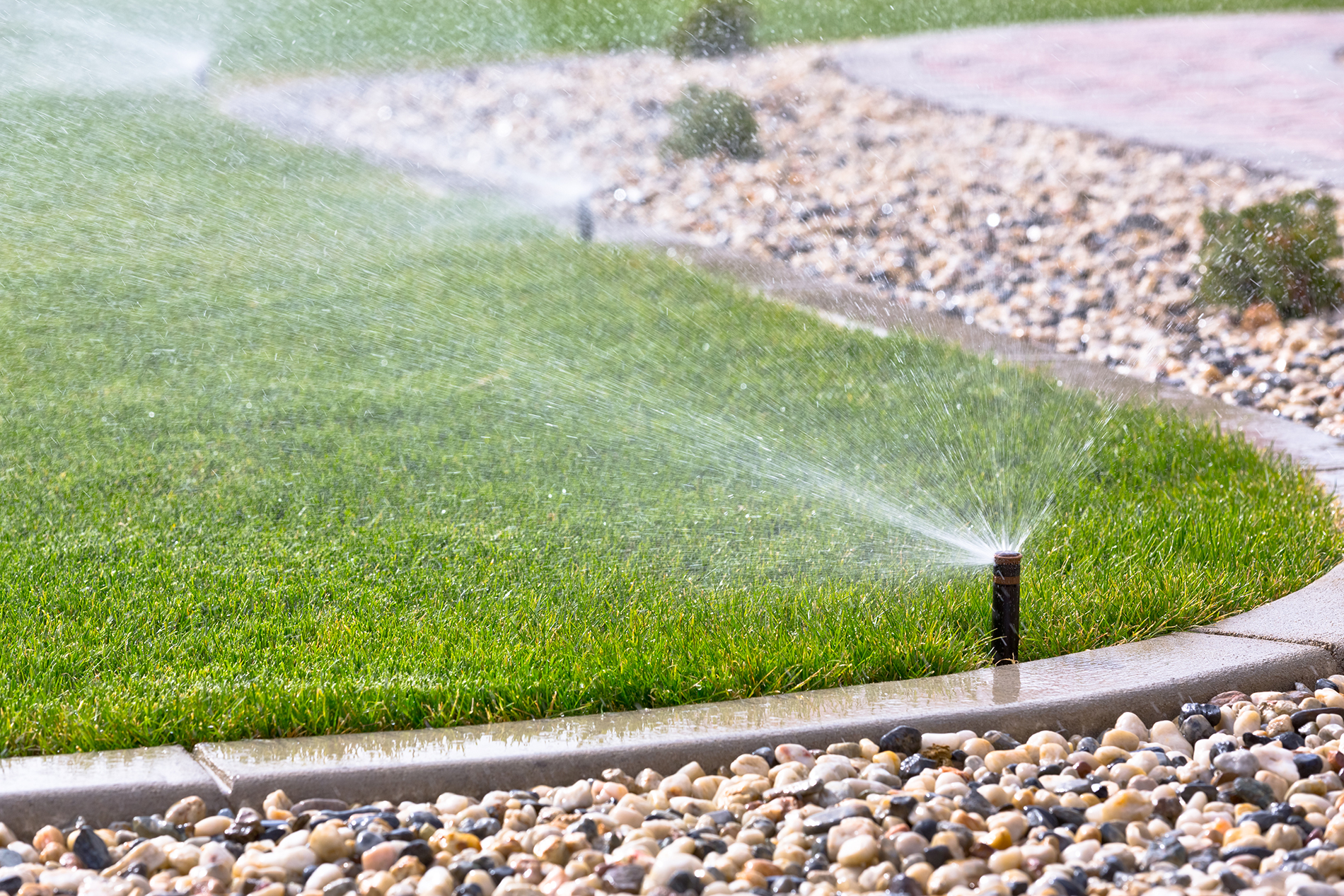
A lush, green lawn doesn’t happen by accident. Behind every healthy landscape is a properly designed irrigation system — and at the heart of that system is correct pipe layout.
While sprinkler heads and controllers get most of the attention, the underground pipe network is what determines whether your lawn receives even, efficient, and reliable watering.
Why Is Irrigation Pipe Layout Important?
Proper irrigation pipe layout ensures:
- Even water distribution
- Balanced water pressure
- Efficient zone performance
- Reduced water waste
- Long-term system reliability
Poor pipe layout can cause dry spots, soggy patches, pressure loss, leaks, and higher water bills.
What Is Irrigation Pipe Layout?
Irrigation pipe layout refers to how underground pipes are:
- Routed throughout your yard
- Sized based on water flow
- Divided into zones
- Connected to valves and sprinkler heads
A professional layout considers water pressure, pipe diameter, elevation changes, soil type, and lawn shape.
It’s not just about getting water from point A to point B — it’s about delivering the right amount of water evenly across your property.
How Pipe Layout Impacts Lawn Health
1. Even Water Coverage Prevents Dry Spots
Improper pipe routing or incorrect pipe sizing can lead to pressure inconsistencies. When pressure drops:
- Sprinkler heads may not pop up fully
- Spray patterns become uneven
- Some areas receive less water
This results in patchy grass growth and stressed turf.
A properly designed pipe network maintains consistent pressure across all zones, ensuring uniform watering.
2. Balanced Pressure Protects Your System
Water pressure that’s too high or too low can damage components.
- High pressure may cause misting, overspray, or pipe stress.
- Low pressure leads to weak spray patterns and poor coverage.
Professional pipe layout accounts for:
- Mainline sizing
- Lateral pipe diameter
- Zone length limits
- Number of heads per zone
This protects your irrigation investment and keeps your system running efficiently for years.
3. Efficient Zoning Reduces Water Waste
Lawns often include:
- Sunny turf areas
- Shaded sections
- Flower beds
- Sloped terrain
Each area requires different watering amounts.
Proper pipe layout supports smart zoning — separating areas with different watering needs. This improves:
- Water efficiency
- Plant health
- Root development
- Seasonal adaptability
Without correct zoning, some areas are overwatered while others remain dry.
4. Proper Depth Prevents Freeze Damage
In colder climates, pipe depth matters.
Irrigation pipes are typically buried 6–18 inches deep depending on soil conditions and local standards. If installed too shallow:
- Pipes may freeze and crack
- System lifespan is reduced
- Costly repairs become more likely
Professional layout planning accounts for frost risk and ensures pipes are placed at the correct depth.
5. Strategic Routing Minimizes Future Repairs
Thoughtful pipe routing avoids:
- Tree root interference
- Hardscape obstacles
- Utility conflicts
- Excess pipe bends and joints
Fewer sharp turns and unnecessary fittings reduce potential leak points.
A clean, efficient layout equals fewer repairs over time.
Signs Your Irrigation Pipe Layout May Be Incorrect
You may have layout issues if you notice:
- Persistent dry patches
- Standing water in certain areas
- Sprinkler heads with weak spray
- Zones shutting down early
- Sudden pressure fluctuations
- High water bills without explanation
These symptoms often trace back to improper pipe sizing or poor zone design.
The Science Behind Proper Pipe Design
Professional irrigation design takes into account:
- Gallons per minute (GPM) available
- Static and dynamic water pressure
- Friction loss inside pipes
- Elevation changes
- Soil absorption rates
Pipe diameter directly affects water velocity and friction loss. If pipes are too small, pressure drops significantly as water travels through the system.
That’s why experienced irrigation contractors calculate flow and pressure before installation — not after problems appear.
Why Professional Installation Makes the Difference
A DIY irrigation layout may appear functional at first, but long-term performance depends on engineering precision.
Professional installers:
- Calculate proper pipe sizing
- Limit zone lengths appropriately
- Design balanced sprinkler head groupings
- Account for local soil and climate conditions
- Install code-compliant backflow protection
The result is a system that operates efficiently, protects your lawn, and lasts for decades.
FAQs
Does pipe size really affect sprinkler performance?
Yes. Pipe diameter determines how much water can flow through your system without pressure loss. Incorrect sizing causes uneven watering.
Can bad pipe layout cause high water bills?
Absolutely. Overlapping spray patterns, pressure imbalance, and poor zoning can lead to wasted water.
How long should irrigation piping last?
With proper layout and installation, irrigation pipes can last 15–25 years or more with seasonal maintenance.
Investing in Proper Pipe Layout Protects Your Lawn
Your lawn’s health depends on more than just turning on a sprinkler. The underground pipe network is the foundation of consistent, efficient watering.
Proper pipe layout ensures:
- Healthier grass
- Stronger root systems
- Lower water usage
- Fewer repairs
- Long-term reliability
If you’re considering a new irrigation installation or suspect layout issues with your current system, a professional evaluation can make all the difference.
Schedule a Professional Irrigation Consultation
At Green Lawn Irrigation, we design irrigation systems with precision pipe layout tailored to Connecticut properties. Our process ensures your lawn receives the right amount of water — exactly where it’s needed.
Contact us today to schedule a consultation and keep your lawn green, healthy, and thriving.