
As winter fades and temperatures begin to rise, spring becomes an important transition period for your lawn and landscape. What you do early in the season can have a major impact on how healthy your grass, plants, and irrigation system perform throughout the warmer months.
Preparing your lawn properly in spring isn’t just about appearance — it’s about encouraging healthy root development, improving water efficiency, and creating the right conditions for long-term growth.
Here are some of the most important things homeowners should know when preparing for the growing season.
Start by Evaluating Winter Damage
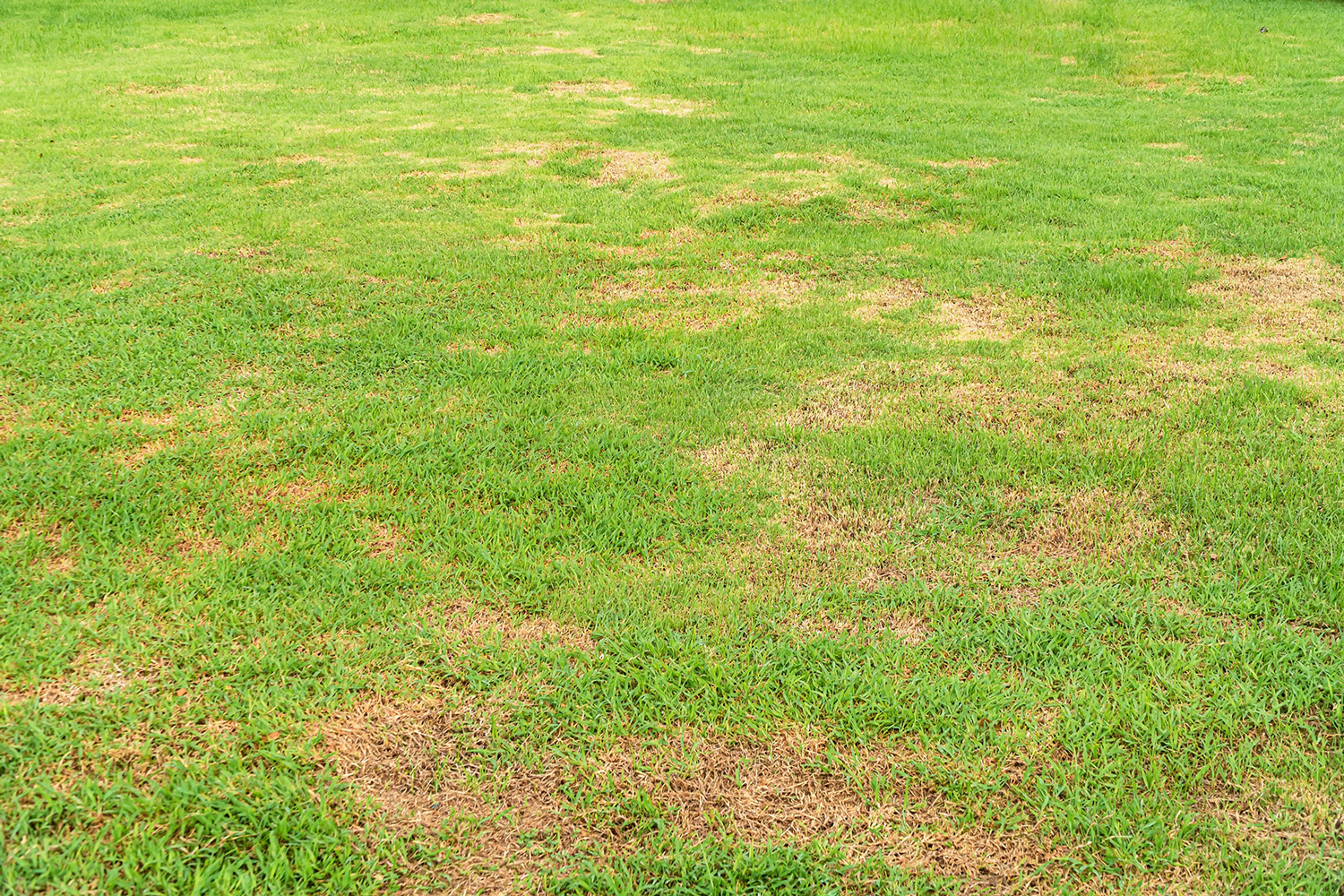
Connecticut winters can be tough on lawns. Snow cover, freeze-thaw cycles, and excess moisture can all leave behind signs of stress once spring arrives.
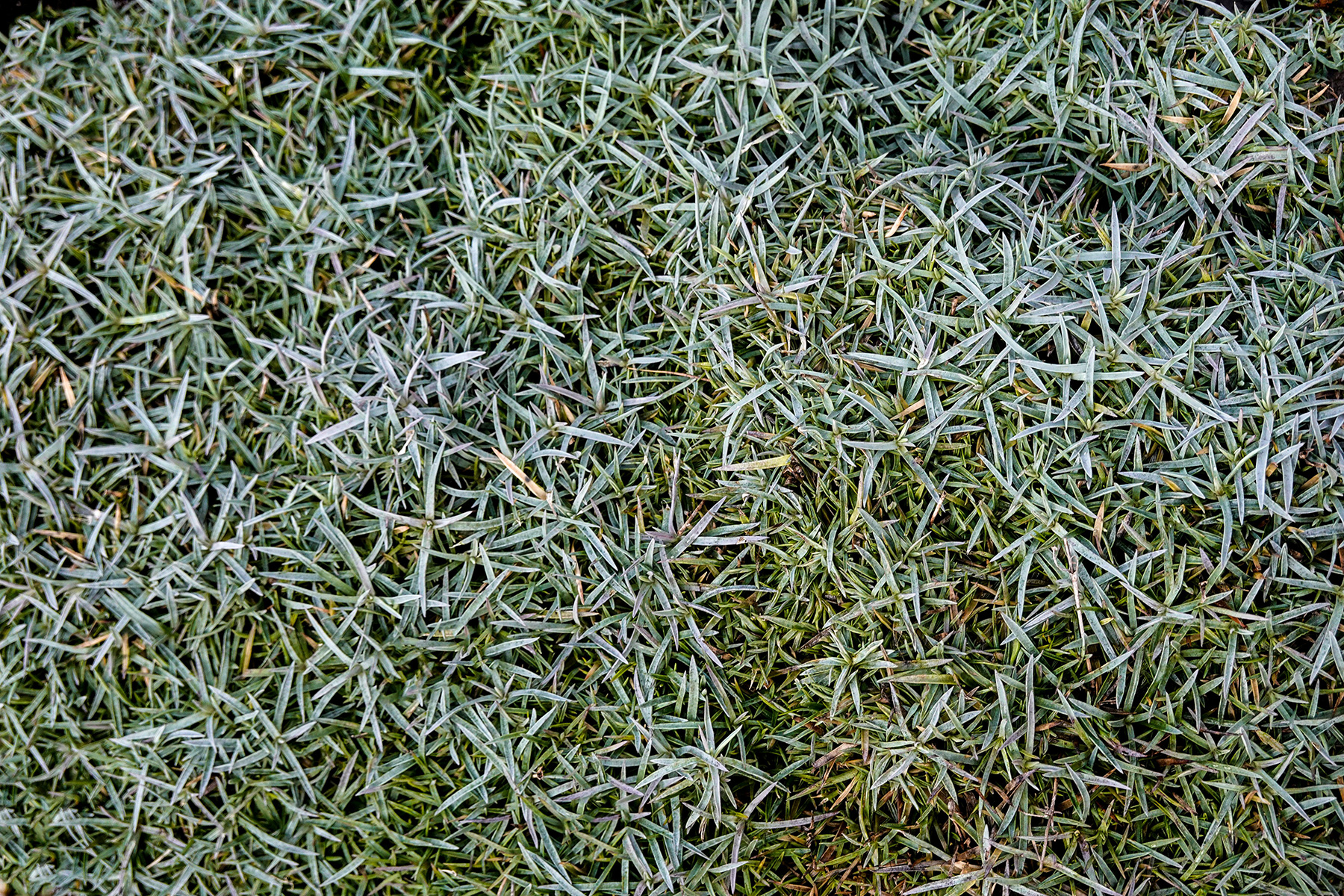
Early spring is a good time to look for:
- Thinning or patchy grass
- Areas with standing water
- Soil compaction from snow and ice
- Signs of mold or turf disease
- Damage near walkways, driveways, or plow areas
Identifying these issues early helps prevent them from becoming larger problems later in the season.
Clean Up Debris and Allow the Lawn to Breathe
Leaves, sticks, and other debris left behind over winter can block sunlight and trap moisture against the grass.
Spring cleanup helps:
- Improve airflow
- Reduce mold and disease risk
- Encourage new growth
- Prepare the lawn for watering and fertilization
Light raking can also help remove dead grass and loosen compacted areas without damaging new growth.
Understand Your Lawn’s Watering Needs
One of the most common spring mistakes is watering too much, too early.
Cooler spring temperatures and seasonal rainfall often mean lawns need less supplemental water than they do in summer. Overwatering in spring can lead to:
- Shallow root systems
- Fungus and disease growth
- Soil oversaturation
- Uneven lawn health
The goal is to maintain consistent soil moisture without keeping the lawn constantly wet.
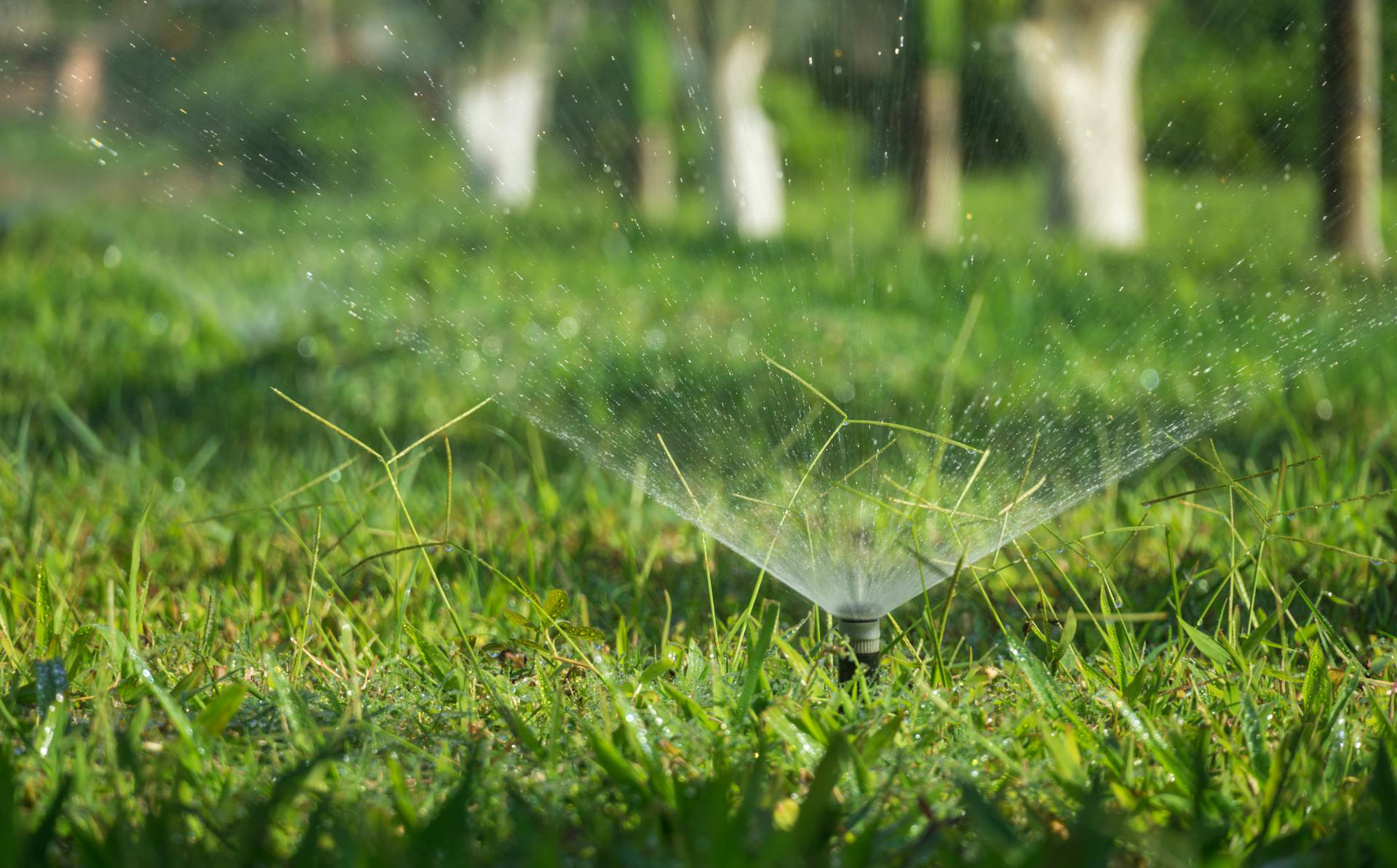
Check Irrigation Coverage Before Peak Season
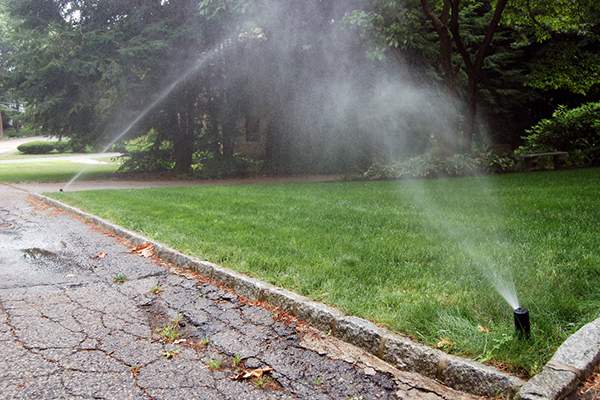
Spring is the ideal time to inspect how your irrigation system is performing before summer heat arrives.
It’s helpful to look for:
- Sprinkler heads that are clogged, tilted, or damaged
- Uneven watering patterns
- Overspray onto sidewalks or driveways
- Areas receiving too much or too little water
- Signs of leaks or pooling water
Even small irrigation issues can affect lawn health and water efficiency throughout the season.
For homeowners interested in learning more about irrigation system performance, understanding basics like irrigation zones, sprinkler head placement, and seasonal controller adjustments can make a noticeable difference in overall lawn health.
Encourage Deep Root Growth Early
Healthy lawns rely on strong root systems. In spring, root development is especially important because it helps grass tolerate summer heat and dry conditions later in the year.
A few ways to encourage deeper roots include:
- Watering less frequently but more thoroughly
- Avoiding daily shallow watering
- Reducing soil compaction
- Maintaining proper mowing height
Deep roots help lawns stay healthier and more resilient throughout the growing season.
Adjust Watering as the Season Changes
Spring weather in Connecticut can change quickly. Rainfall, temperature, and soil conditions all influence how much water your lawn actually needs.
As the season progresses:
- Cooler, rainy weeks may require little irrigation
- Warmer temperatures may increase watering needs gradually
- Sunny areas may dry faster than shaded sections
Modern irrigation systems and smart controllers can help homeowners make seasonal adjustments more accurately and efficiently.
Don’t Overlook Soil Health
Healthy grass starts below the surface. Soil condition affects:
- Water absorption
- Root growth
- Nutrient availability
- Overall lawn performance
Compacted or poorly draining soil can prevent water from reaching roots effectively, even when irrigation is working properly.
Paying attention to drainage and soil moisture early in the season can help create more balanced growth throughout the lawn.
A Healthy Growing Season Starts in Spring
Spring preparation is about more than getting your lawn green again — it’s about creating healthy conditions that support consistent growth all season long.
By paying attention to watering habits, irrigation performance, soil conditions, and early signs of stress, homeowners can help their lawns become stronger, healthier, and more resilient as temperatures rise.
Small adjustments made early in the season often have the biggest impact by the time summer arrives.
Schedule a Professional Irrigation Consultation
At Green Lawn Irrigation, we design irrigation systems with precision pipe layout tailored to Connecticut properties. Our process ensures your lawn receives the right amount of water — exactly where it’s needed.
Contact us today to schedule a consultation and keep your lawn green, healthy, and thriving.