When it comes to watering your landscape, one size doesn’t fit all. Your lawn, flower beds, shrubs, trees, and vegetable garden all have different watering needs. Treating every area the same can lead to overwatering, underwatering, wasted water, and unhealthy plants.
Understanding how different plants use water can help you maintain a healthier landscape while improving the efficiency of your irrigation system—especially during Connecticut’s warm summer months.
Why Different Plants Have Different Water Needs
Every plant has unique characteristics that determine how much water it requires. Factors such as root depth, sun exposure, soil type, and plant maturity all play a role.
For example, shallow-rooted plants typically need more frequent watering, while established trees with deep root systems often thrive with less frequent but deeper watering.
A well-designed irrigation system takes these differences into account by delivering the right amount of water to each area of your property.
Turfgrass: Consistent, Deep Watering
Your lawn generally requires the most regular watering because turfgrass has relatively shallow roots compared to many other landscape plants.
During the growing season, most Connecticut lawns benefit from approximately one inch of water per week, including rainfall. Rather than watering every day, deeper watering a few times per week encourages stronger root growth and helps the lawn tolerate heat and dry conditions.
Signs your lawn may need more water include:
- Grass turning dull or bluish-green
- Footprints remaining visible after walking
- Curled or folded grass blades
- Dry, brittle patches
Shrubs: Less Frequent, Deeper Watering
Established shrubs often require less water than turf because their roots extend deeper into the soil.
Instead of frequent shallow watering, shrubs generally benefit from slower, deeper watering that allows moisture to reach the entire root zone.
Keep an eye on newly planted shrubs, however. They typically need more frequent watering during their first growing season while roots become established.
Perennials: Moderate Watering Based on Plant Type
Perennial flowers add beauty and color to your landscape, but their watering needs can vary significantly.
Some perennials tolerate dry conditions well, while others prefer consistently moist soil.
Rather than watering every flower bed the same way, it’s helpful to group plants with similar water requirements together whenever possible. This allows irrigation zones to deliver water more efficiently without overwatering drought-tolerant plants.
Trees: Deep Roots Need Deep Watering
Mature trees are often among the most drought-tolerant plants in your landscape.
Because their roots extend much deeper than grass, they typically benefit from slow, deep watering less often rather than frequent surface watering.
Young trees are different. During the first few years after planting, they need regular watering to establish healthy root systems. Once established, many trees require surprisingly little supplemental irrigation except during extended dry periods.
Vegetable and Flower Gardens: More Frequent Monitoring
Gardens often require the closest attention during summer.
Vegetables, annual flowers, and container plants usually need more frequent watering because they grow quickly and have limited root space. Hot, sunny weather can dry garden soil much faster than other areas of your yard.
Mulch can help retain moisture while reducing evaporation and limiting weed growth.
Sun, Shade, and Soil Matter Too
Even identical plants may need different amounts of water depending on where they’re growing.
For example:
- Plants in full sun dry out faster than those in shade.
- Sandy soil drains quickly and may require more frequent watering.
- Clay soil retains moisture longer but absorbs water more slowly.
- Sloped areas may experience runoff before water reaches the roots.
These factors make proper irrigation scheduling just as important as choosing the right sprinkler heads or watering equipment.
Why Irrigation Zones Make a Difference
Modern irrigation systems are designed with separate zones for a reason.
Instead of watering every part of your landscape on the same schedule, each zone can be programmed based on the needs of the plants it serves.
For example:
- Turf areas often require different run times than shrub beds.
- Gardens may need shorter, more frequent watering.
- Drip irrigation works well for planting beds and shrubs.
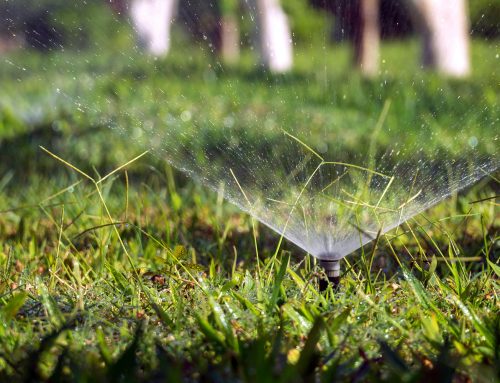
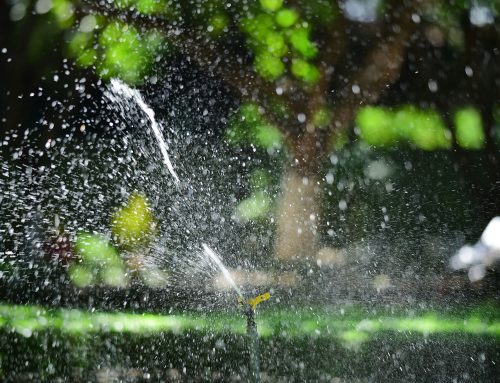
- Spray heads and rotors serve different purposes depending on the landscape.
Proper zoning helps reduce water waste while promoting healthier plants throughout your property.
Signs Your Landscape May Be Receiving the Wrong Amount of Water
Different plants show stress in different ways.
Common signs of underwatering include:
- Wilting leaves
- Brown edges
- Slow growth
- Premature leaf drop
Signs of overwatering may include:
- Yellowing leaves
- Mushy soil
- Mold or fungus
- Root rot
- Increased pest activity
Paying attention to these signs allows you to make adjustments before small problems become larger ones.
A Healthier Landscape Starts with Smarter Watering
A beautiful landscape isn’t simply about using more water—it’s about using water wisely.
By understanding the unique needs of your lawn, shrubs, trees, perennials, and gardens, you can encourage healthier growth, conserve water, and improve the overall appearance of your property.
Whether you’re maintaining an established landscape or adding new plantings, adjusting your watering strategy to match each area’s needs is one of the best ways to protect your investment and keep your yard looking its best throughout the growing season.
Frequently Asked Questions
Should trees and lawns be watered on the same schedule?
Generally, no. Mature trees benefit from deep, infrequent watering, while lawns typically need more regular irrigation during the growing season.
Is drip irrigation better for shrubs and flower beds?
In many cases, yes. Drip irrigation delivers water directly to the root zone, helping reduce evaporation and improving water efficiency.
Why do some parts of my landscape dry out faster than others?
Sun exposure, soil type, slope, plant type, and irrigation coverage all affect how quickly different areas lose moisture.