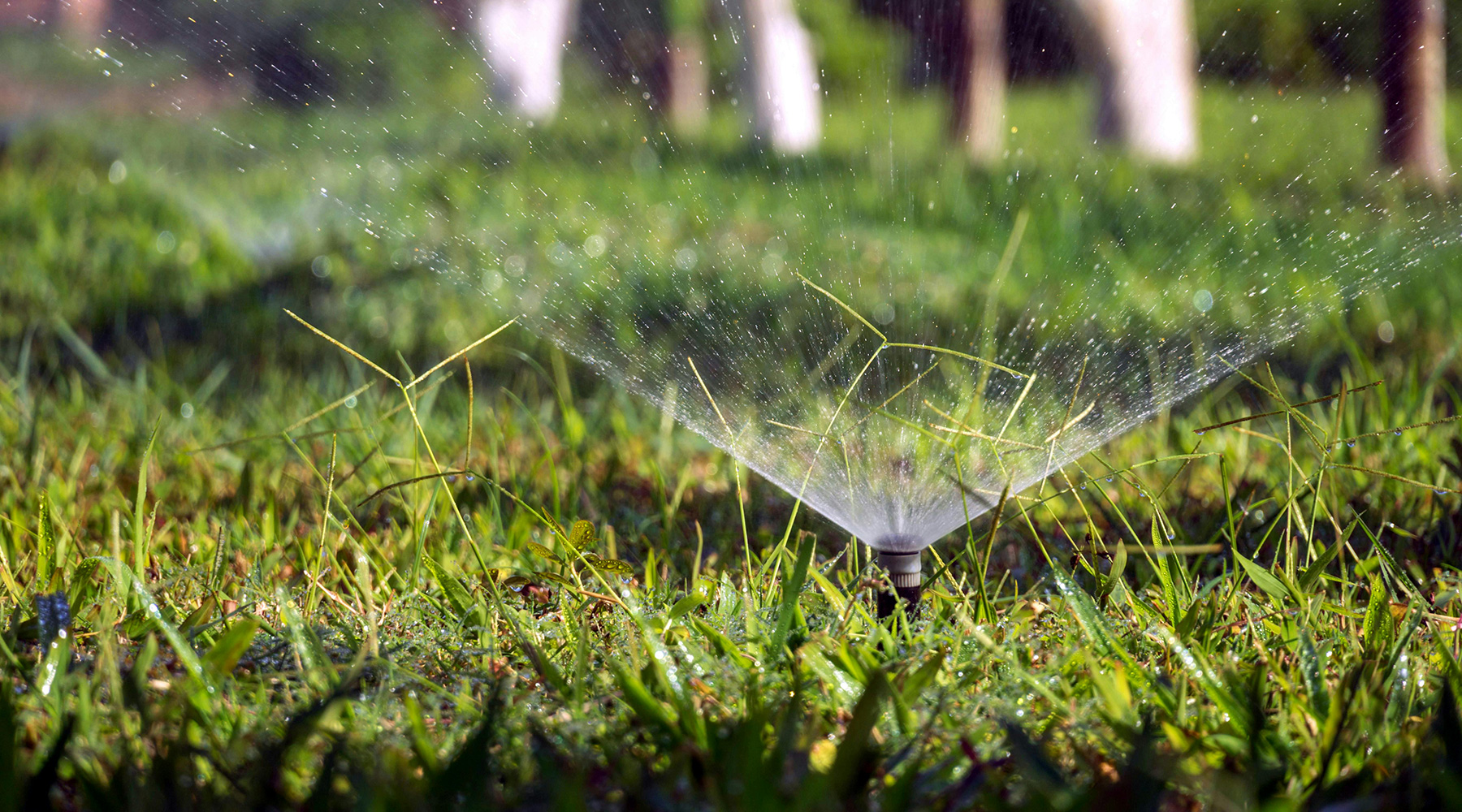
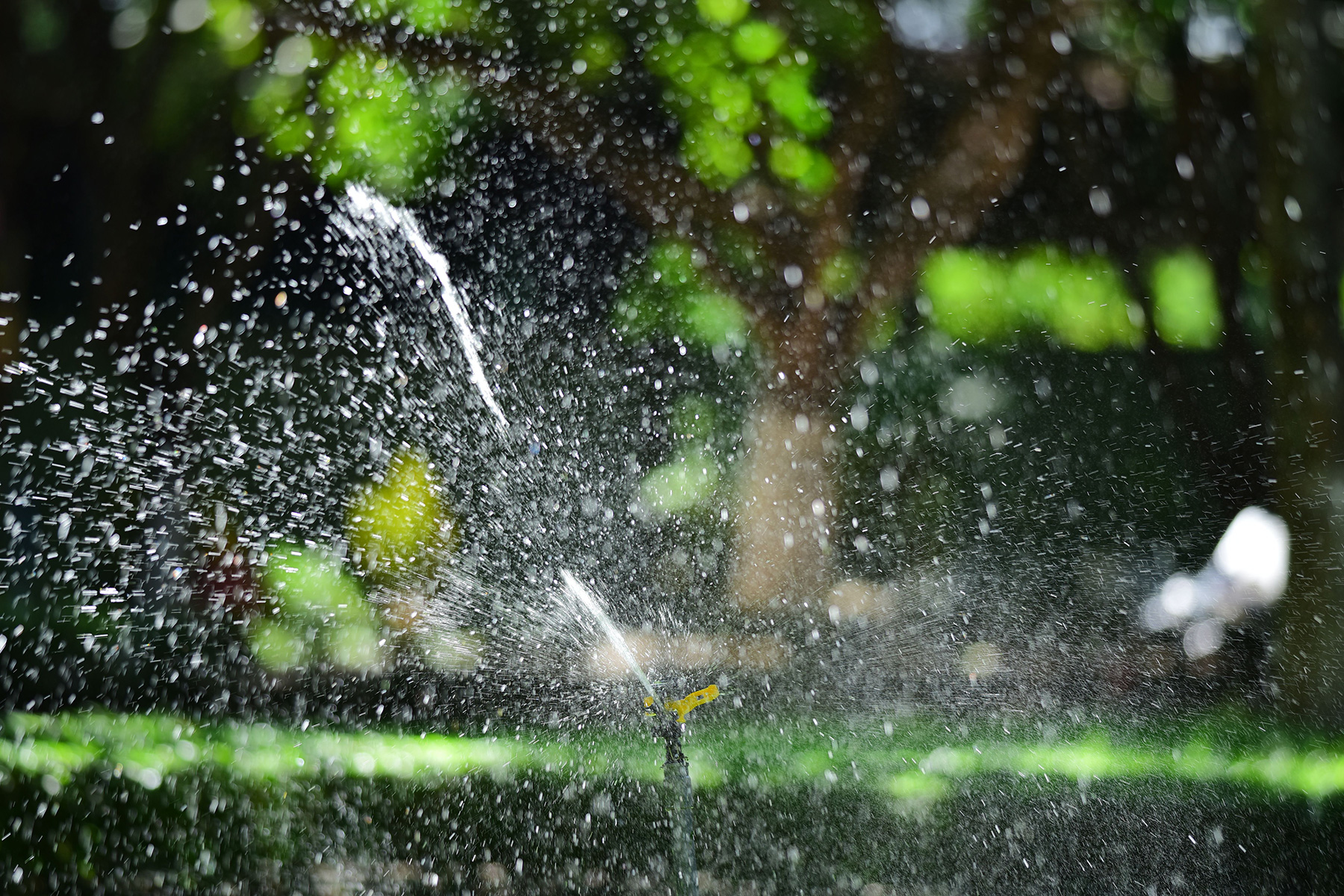
If water runs off your lawn before it has a chance to soak into the soil, the problem may not be how much you’re watering. It may be how quickly that water is being applied.
Cycle and soak watering is a simple irrigation strategy that breaks one long watering period into several shorter cycles with rest periods in between. This gives water more time to absorb into the soil instead of pooling, running down slopes, or flowing onto sidewalks and driveways.
For Connecticut homeowners dealing with compacted soil, clay-heavy areas, or sloped lawns, cycle and soak watering can be a useful way to improve irrigation efficiency and help more water reach the root zone.
What Is Cycle and Soak Watering?
Cycle and soak watering divides a normal irrigation run time into smaller watering sessions.
Instead of running a sprinkler zone for 30 minutes straight, for example, the controller might run that zone for 10 minutes, pause to allow the water to soak in, and then repeat the process.
The total watering time may stay the same, but the water is applied more gradually.
This can help reduce:
- Surface runoff
- Puddling
- Water flowing onto pavement
- Uneven soil moisture
- Water waste
The goal is to match the rate at which water is applied with the rate at which the soil can actually absorb it.
Why Does Water Run Off a Lawn?
Different soils absorb water at different speeds.
Sandy soil generally allows water to move through quickly, while clay-heavy or compacted soil can absorb moisture much more slowly. When sprinklers apply water faster than the ground can take it in, the excess water begins moving across the surface.
Common causes of runoff include:
- Compacted soil
- Clay-heavy soil
- Steep or sloped lawns
- High sprinkler application rates
- Very dry soil
- Long irrigation run times
- Poor drainage
In these conditions, simply increasing the watering time may make the problem worse.
How Does Cycle and Soak Watering Help?
The first short watering cycle begins moistening the soil. The pause that follows gives that moisture time to move deeper into the ground.
When the next cycle begins, the soil is often better able to absorb additional water.
Repeating this process can help moisture penetrate more deeply instead of accumulating at the surface.
That can support healthier root growth while helping homeowners get more value from the water they are already using.
When Should You Consider Cycle and Soak Watering?
Cycle and soak watering can be especially helpful in several common situations.
Clay-Heavy Soil
Clay soil holds moisture well, but it often absorbs water slowly. Long irrigation cycles can cause water to collect at the surface before it penetrates deeply.
Shorter watering periods give clay soil more time to absorb moisture between cycles.
Compacted Lawns
Heavy foot traffic, lawn equipment, and natural settling can compress soil over time.
Compacted soil contains less open space for water and air to move through, making runoff more likely.
Cycle and soak watering may help water penetrate these areas more effectively, although severe compaction may also require additional lawn care measures.
Sloped Areas
Gravity makes irrigation more challenging on hills and slopes.
Water applied too quickly can begin moving downhill before it reaches the root zone. Breaking watering into smaller cycles can help more moisture soak into the slope rather than collecting at the bottom.
Areas Where Water Pools
If you regularly see puddles forming while your irrigation system is running, your soil may not be absorbing water as quickly as the sprinklers are delivering it.
Shorter cycles can help reduce surface saturation.
Signs Your Landscape May Be Receiving the Wrong Amount of Water
Different plants show stress in different ways.
Common signs of underwatering include:
- Wilting leaves
- Brown edges
- Slow growth
- Premature leaf drop
Signs of overwatering may include:
- Yellowing leaves
- Mushy soil
- Mold or fungus
- Root rot
- Increased pest activity
Paying attention to these signs allows you to make adjustments before small problems become larger ones.
A Healthier Landscape Starts with Smarter Watering
A beautiful landscape isn’t simply about using more water, it’s about using water wisely.
By understanding the unique needs of your lawn, shrubs, trees, perennials, and gardens, you can encourage healthier growth, conserve water, and improve the overall appearance of your property.
Whether you’re maintaining an established landscape or adding new plantings, adjusting your watering strategy to match each area’s needs is one of the best ways to protect your investment and keep your yard looking its best throughout the growing season.
Frequently Asked Questions
Should trees and lawns be watered on the same schedule?
Generally, no. Mature trees benefit from deep, infrequent watering, while lawns typically need more regular irrigation during the growing season.
Is drip irrigation better for shrubs and flower beds?
In many cases, yes. Drip irrigation delivers water directly to the root zone, helping reduce evaporation and improving water efficiency.
Why do some parts of my landscape dry out faster than others?
Sun exposure, soil type, slope, plant type, and irrigation coverage all affect how quickly different areas lose moisture.