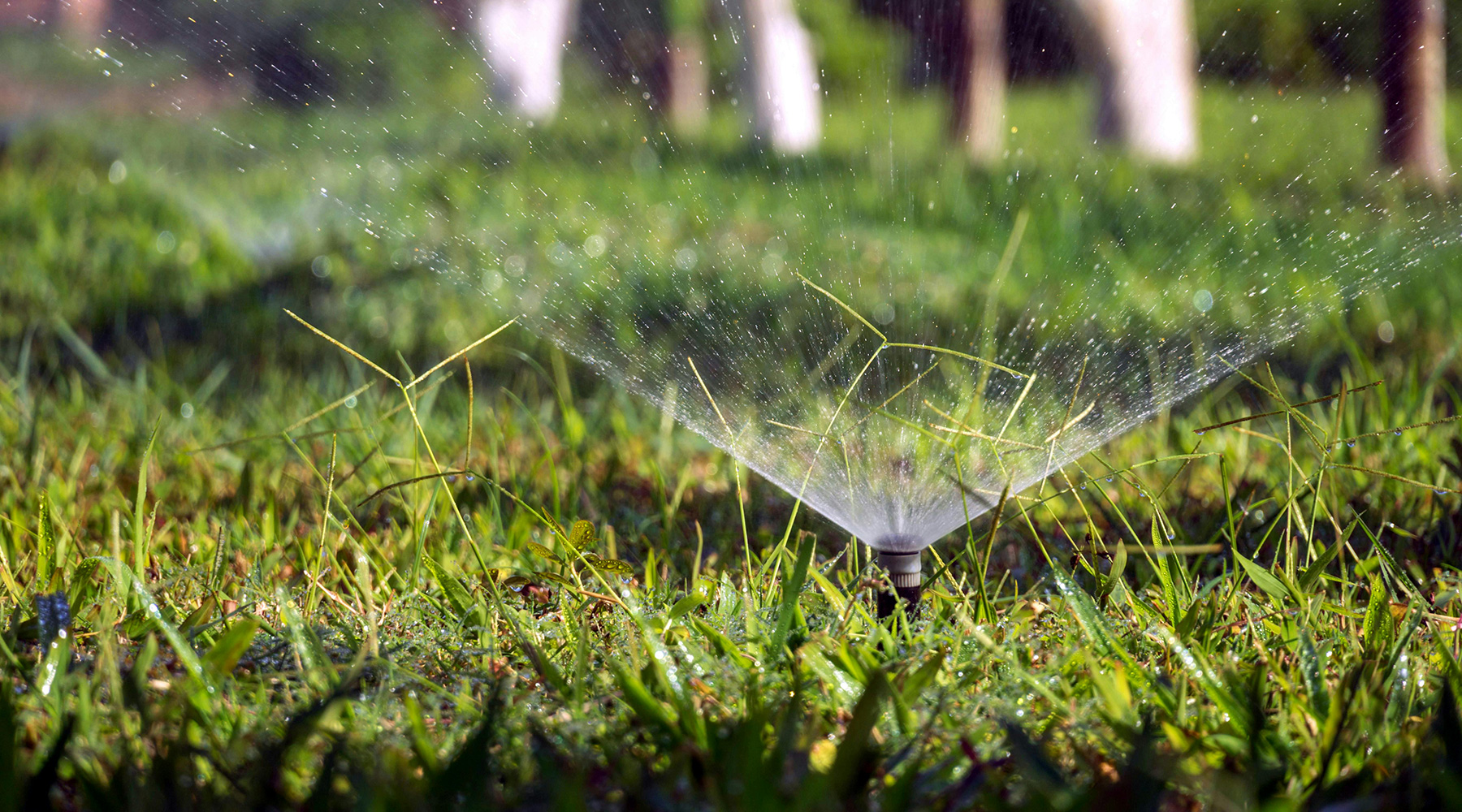
As summer begins to wind down, your lawn’s watering needs start to change. September often brings cooler temperatures, shorter days, and more variable rainfall across Connecticut, which means the irrigation schedule that worked well in July or August may no longer be the best fit.
For many homeowners, early fall is a good time to reduce watering gradually rather than keep the same summer schedule in place.
Why Lawn Watering Needs Change in September
During peak summer heat, lawns lose moisture quickly through evaporation and plant activity. By September, conditions are usually less intense.
As temperatures moderate:
- Soil tends to retain moisture longer
- Evaporation rates decrease
- Grass growth begins to slow
- Overnight temperatures cool
- Seasonal rainfall may increase
Because of these changes, your lawn may need less supplemental irrigation than it did just a few weeks earlier.
Should You Stop Watering in September?
Usually, no.
Even though your lawn may need less water in early fall, it still requires moisture to support healthy roots and recover from summer stress.
Cool-season grasses common in Connecticut remain active during fall and often benefit from consistent moisture as temperatures become more favorable for root growth.
The key is adjustment, not an abrupt shutdown.
How Much Should You Reduce Your Irrigation?
There is no single schedule that works for every lawn.
Instead of automatically cutting watering by a certain percentage, pay attention to actual conditions on your property.
Consider:
- Recent rainfall
- Daytime temperatures
- Soil type
- Sun exposure
- Lawn condition
- Shade coverage
- Drainage
- Irrigation zone performance
A sunny, sandy area may continue drying quickly, while a shaded lawn with heavier soil may hold moisture for much longer.
Watch the Weather, Not Just the Calendar
One of the biggest mistakes homeowners make is leaving an irrigation controller on the same schedule throughout the entire growing season.
September weather can vary considerably. A warm, dry stretch may still require regular watering, while a cool and rainy week may require little or no supplemental irrigation.
Your watering schedule should respond to current conditions rather than the date alone.
Signs You May Be Watering Too Much
As temperatures cool, a summer irrigation schedule can sometimes provide more water than the lawn needs.
Signs of overwatering can include:
- Puddling or consistently soggy soil
- Mushrooms or fungal growth
- Yellowing grass
- Excessive runoff
- Areas that remain wet long after watering
- Soft or spongy turf
If these conditions start appearing in September, it may be time to reduce run times or watering frequency.
Signs Your Lawn Still Needs More Water
Reducing irrigation too quickly can also create problems.
Signs of insufficient moisture may include:
- Grass turning dull or bluish-green
- Footprints remaining visible after walking
- Dry or brittle grass blades
- Soil that feels dry several inches below the surface
- Persistent dry patches
These signs can help you determine whether your lawn still needs supplemental watering despite cooler weather.
Different Areas May Need Different Adjustments
Your entire property may not need the same watering reduction.
For example:
- Full-sun turf may need more water than shaded grass
- Newly planted areas may need more consistent moisture
- Shrubs and trees have different root systems than turf
- Sloped areas may lose water through runoff
- Garden beds may retain moisture differently from lawn areas
Separate irrigation zones make it easier to adjust watering based on the needs of each part of the landscape.
Smart Controllers Can Help with Seasonal Changes
Modern irrigation controllers can make seasonal adjustments easier by responding to weather conditions, rainfall, and temperature changes.
Even with automated technology, however, it is still a good idea to periodically observe your lawn and landscape. Technology works best when combined with an understanding of what is actually happening on your property.
September Is Also a Good Time to Evaluate System Performance
After running throughout spring and summer, your irrigation system has had plenty of time to reveal any weak spots.
September is a useful time to look for:
- Dry areas that never received enough coverage
- Sprinkler heads blocked by summer plant growth
- Overspray onto sidewalks or driveways
- Leaks or unusually wet areas
- Zones that appear to run longer than necessary
- Heads that have shifted or become damaged
Identifying these issues now can help improve efficiency for the remainder of the season and provide useful information for future adjustments.
Don’t Shut Down Too Early
September may feel like fall, but Connecticut lawns and landscapes can still need water well into the season.
Turning the irrigation system off simply because summer has ended can leave grass, shrubs, and other plants without enough moisture during dry stretches.
Instead, gradually adjust your watering schedule as temperatures cool and rainfall patterns change.
Winterization comes later, once the growing season is ending and freezing temperatures become a concern.
A More Flexible Approach to Fall Watering
The best September irrigation schedule is not necessarily a fixed schedule at all.
Pay attention to rainfall, temperatures, soil moisture, and how your lawn responds. Reducing watering gradually as conditions change can help maintain healthy turf while avoiding unnecessary water use.
By treating September as a transition period rather than an immediate end to irrigation season, you can help your lawn recover from summer stress and enter fall in better condition.
Frequently Asked Questions
Should I water my lawn in September?
Yes, in many cases. Connecticut lawns may still need supplemental water in September, especially during warm or dry periods. The amount typically decreases as temperatures cool and rainfall increases.
Should I reduce sprinkler run times in fall?
Often, yes. Cooler temperatures and reduced evaporation usually mean lawns need less irrigation than during midsummer. Adjustments should be based on weather and soil conditions rather than the calendar alone.
Can I turn my irrigation system off in September?
It is usually better to avoid shutting the system down too early. Dry fall weather can still create moisture stress for lawns, trees, shrubs, and planting beds.