
Flower beds bring vibrant life and beauty to any landscape—but keeping them hydrated without wasting water requires the right approach. Whether you’re dealing with summer heat or trying to stay within water restrictions, knowing how to efficiently water your flower beds can save both water and money.
Here are some tips on how to water flower beds effectively while conserving resources.
Water Early in the Morning
The best time to water flower beds is early in the morning, between 5 a.m. and 9 a.m. This allows water to soak into the soil before the sun’s heat causes evaporation. Watering in the evening can leave plants damp overnight, which increases the risk of fungus and disease.
Use Drip Irrigation
Drip irrigation systems deliver water directly to the base of plants, right where it’s needed. This method minimizes evaporation and prevents water from being wasted on pathways or between plants.
Benefits of Drip irrigation:
- Reduces water loss
- Minimizes weed growth
- Keeps foliage dry, reducing disease risk
- Can be automated with timers or smart controllers
Mulch Generously
Mulch helps your flower beds retain moisture by acting as a barrier between the soil and the sun. Organic mulches like wood chips, bark, or compost also improve soil health over time.
TIP: Apply 2–3 inches of mulch around your plants, but keep it a few inches away from the stems to prevent rot.
Group Plants with Similar Water Needs
When planning or updating your flower beds, group plants with similar water requirements together. This avoids overwatering drought-tolerant plants or underwatering thirstier ones.
EXAMPLE: Keep native or drought-resistant plants in one area and moisture-loving plants in another.
Avoid Overhead Sprinklers
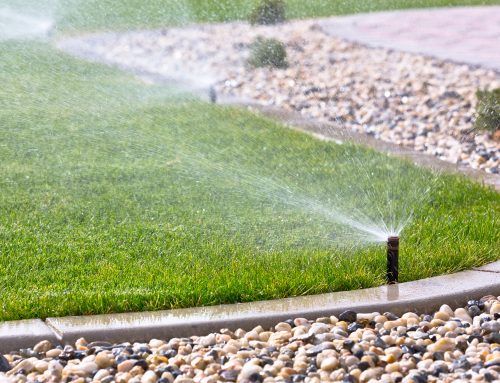
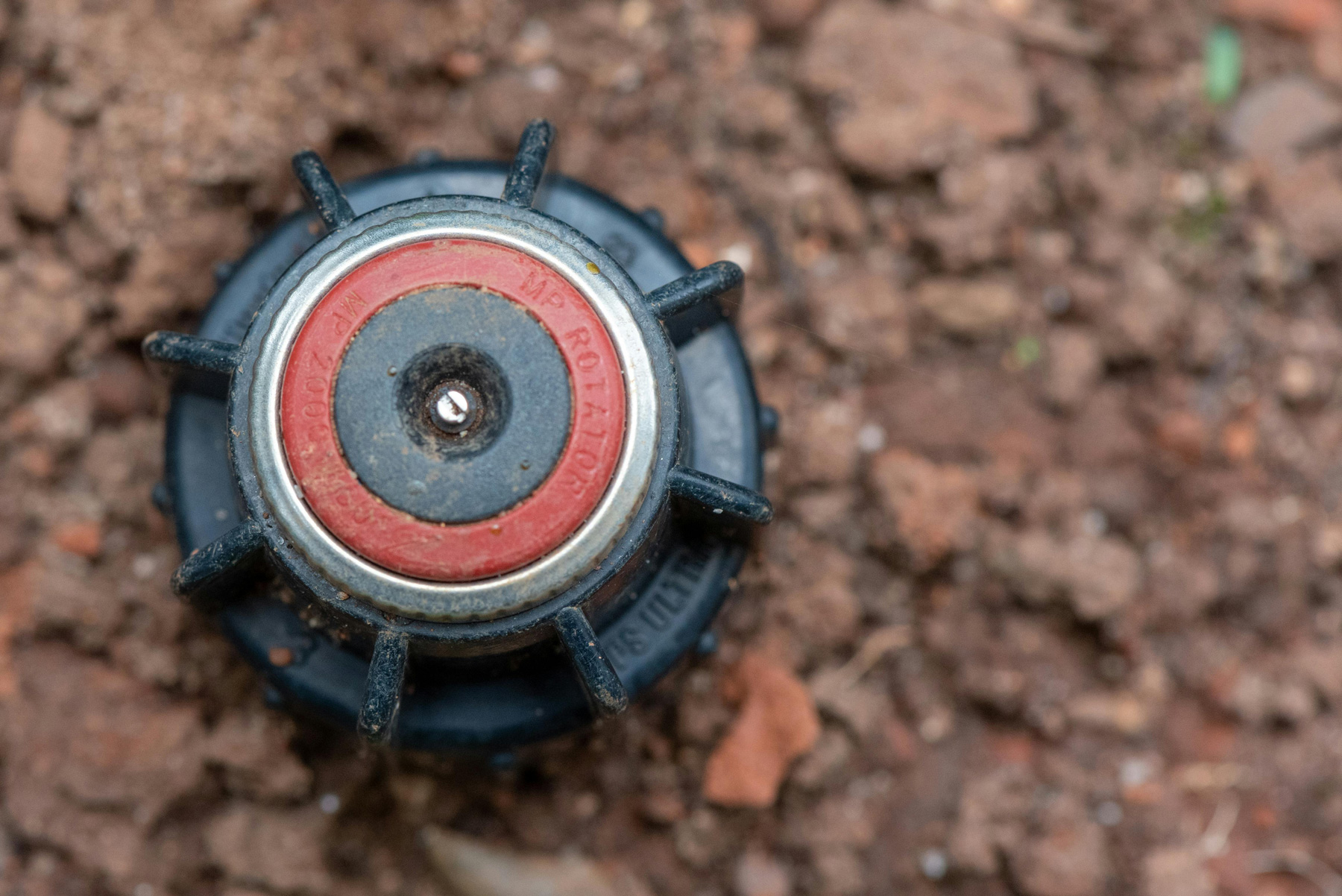
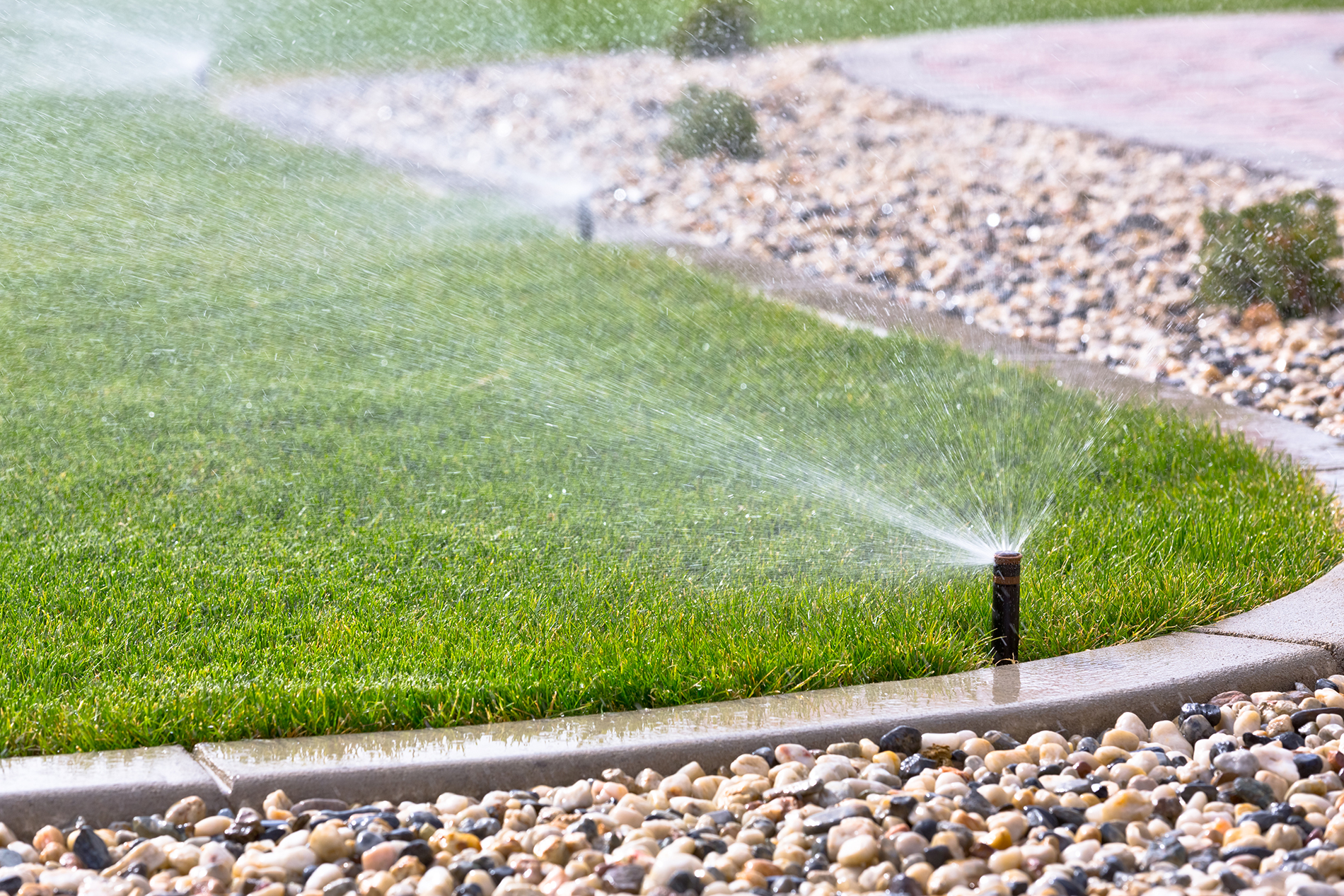
While sprinklers are convenient for lawns, they aren’t ideal for flower beds. Overhead watering wastes water through wind drift and evaporation and can increase the risk of mildew on leaves and petals.
Install a Smart Irrigation Controller
Smart controllers adjust watering schedules based on real-time weather data, soil moisture, and plant type. They prevent overwatering and help comply with local watering restrictions.
Maintain Your Irrigation System
A leaking valve or broken emitter can waste gallons of water every day. Regularly inspect your irrigation system for:
- Clogged nozzles
- Leaking lines
- Misaligned emitters
A seasonal inspection by a professional irrigation technician ensures everything is running efficiently.
Final Thoughts
Watering flower beds doesn’t have to mean wasting water. By using the right equipment, watering at optimal times, and paying attention to plant needs, you can keep your flowers blooming beautifully while conserving water.
Need help setting up a water-efficient irrigation system for your flower beds? Contact us today for a free consultation or irrigation system check-up!